
Isodon inflexus
Isodon inflexus
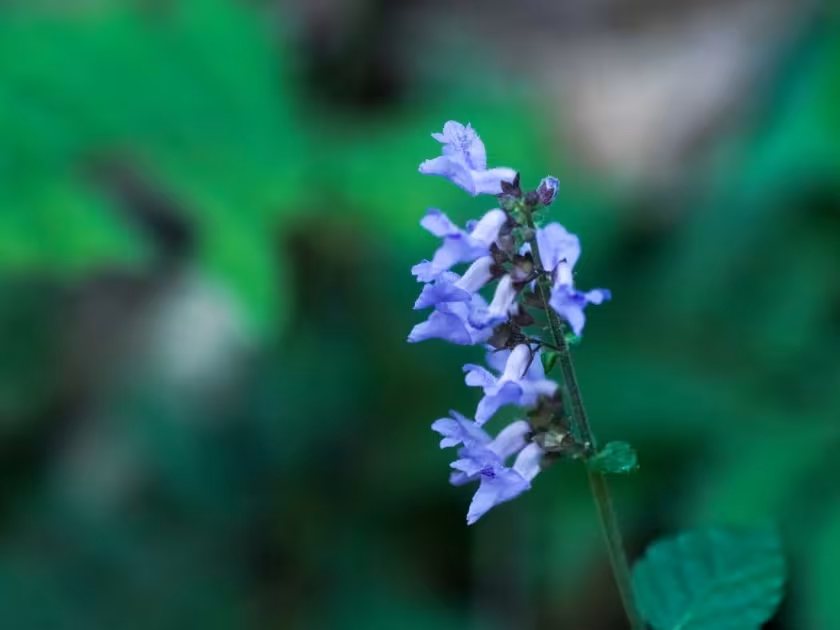
Description
Sowing dates
Isodon inflexus is a perennial herbaceous plant belonging to the Lamiaceae family. In temperate climates, sowing is carried out in early spring once the soil temperature reaches 10–12 degrees Celsius.
To ensure uniform germination, the seeds require a cold stratification period of 30 to 45 days. Sowing is typically performed in rows, with a spacing of 40–50 centimeters between rows to ensure adequate sunlight penetration.
The seeding depth should not exceed 0.5–1 centimeter, as the seeds are quite small and sensitive to soil crusting. During the initial growth phase, the seedlings require consistent moisture and protection from surface compaction.
After the emergence of two pairs of true leaves, thinning is performed to maintain a distance of 20–25 centimeters between individual plants. This prevents nutrient competition and encourages robust vegetative growth.
When using a seedling transplant method, seeds are sown in greenhouses in March, allowing for stronger plants ready for transplanting into open fields by May.
Growing requirements
This crop prefers well-drained, fertile loamy or sandy soils with a neutral or slightly acidic pH level. The plant is sensitive to waterlogging, making fields with high water tables unsuitable for cultivation.
Isodon inflexus is light-demanding but can tolerate partial shade during hot summer periods, which may even improve the succulence of the foliage.
The optimal temperature for active vegetative growth ranges between 20–25 degrees Celsius. While the plant has good cold tolerance, young shoots may be damaged by late spring frosts.
Regular irrigation is essential during dry spells, as water deficit leads to premature lignification of the stems, which negatively impacts the quality of the harvestable raw material.
The application of mineral fertilizers, particularly phosphorus and potassium, promotes root system development and increases the overall productivity of the plantation.
Yield
The yield of Isodon inflexus foliage depends heavily on soil fertility, water availability, and management practices. On average, standard agricultural techniques can produce several tons per hectare.
The highest concentration of bioactive compounds is found in the leaves and the upper portions of the stems, which constitute the primary commercial value of the crop.
Stable yield levels are typically achieved in the second year of vegetation, once the plant forms a mature, multi-branched shrub structure.
Cultivation efficiency is improved by mulching, which helps retain soil moisture and suppresses weed growth in the inter-row spaces.
Harvesting is often done in stages, allowing for better management of labor and processing capabilities, ensuring that the raw material is processed while fresh.
Main diseases and pests
The main threats to the crop include fungal diseases, such as root rot, which develop under conditions of high humidity and poor soil aeration.
Pests typical of the Lamiaceae family, including aphids and various leaf beetles, can cause significant damage to foliage during the active growth phase.
Poor crop rotation practices contribute to pathogen buildup in the soil; therefore, it is not recommended to cultivate Isodon on the same plot for more than three to four consecutive years.
Biological pest control methods are preferred, which is critical given that the plant is often utilized in pharmaceutical or food-grade applications.
Preventive measures include maintaining optimal planting density and regular soil loosening to disrupt the overwintering habitats of insect pests.
Harvesting
The harvest is conducted during the peak flowering phase, when the concentration of essential oils and active components in the plant tissue reaches its maximum.
The stems are cut 10–15 centimeters above the ground, which stimulates rapid regrowth, often allowing for a second cutting within the same growing season.
After cutting, the biomass must undergo immediate drying in shaded, well-ventilated facilities to preserve its color and aromatic properties.
Drying temperatures must not exceed 40–45 degrees Celsius to prevent the loss of volatile terpenoids and other sensitive bioactive compounds.
Stored dried Isodon should be kept in paper or fabric bags within dry, dark warehouses with stable humidity levels to maintain quality over time.