
Isodon effusus
Isodon effusus
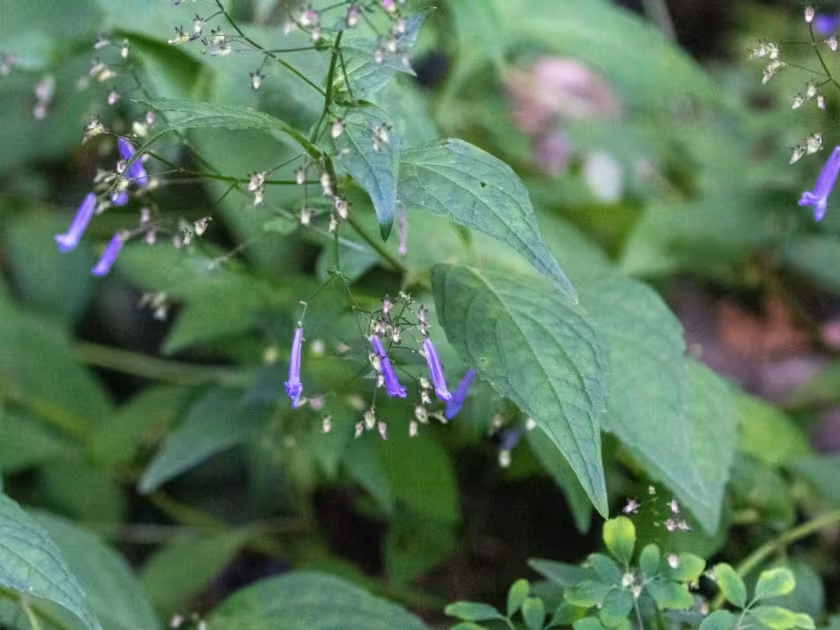
Description
Growing requirements
Isodon effusus is a member of the Lamiaceae family, known for its distinct botanical characteristics. It is a perennial herbaceous plant native to the diverse forest regions of East Asia, thriving in shaded or semi-shaded environments.
The plant requires well-draining, nutrient-rich soil to support its growth cycle. Maintaining a balance of soil moisture is critical, as the roots are sensitive to both prolonged waterlogging and extreme drought.
Climate preferences for Isodon effusus include cool to moderate temperatures. It is important to protect the crops from intense direct sunlight, which can lead to rapid wilting and damage to the foliage.
Cultural practices should focus on maintaining optimal spacing between plants to ensure proper airflow. This helps manage the microclimate within the crop canopy and reduces stress during the vegetation phase.
Regular maintenance, including weeding and soil aeration, is essential to minimize competition for resources and to promote vigorous growth and development of the biomass.
Main diseases and pests
Common fungal diseases, particularly powdery mildew, often affect the plant if humidity levels are not controlled. This leads to reduced quality and potential loss of yield.
Root rot is a major threat associated with poor drainage systems. This pathology can be devastating if the soil structure remains saturated for extended periods, especially during rainy seasons.
Insects like aphids and spider mites are typical pests for this genus. They thrive in warm conditions and can cause significant damage to the leaf tissue if left unmonitored.
Integrated pest management strategies are recommended, including the use of pheromone traps and physical barriers to monitor and control pest population spikes.
Sanitation practices are vital to disease prevention. Clearing dead plant matter and implementing strict crop rotation schedules help in breaking the life cycle of common pathogens.