
Japanese sage
Salvia japonica
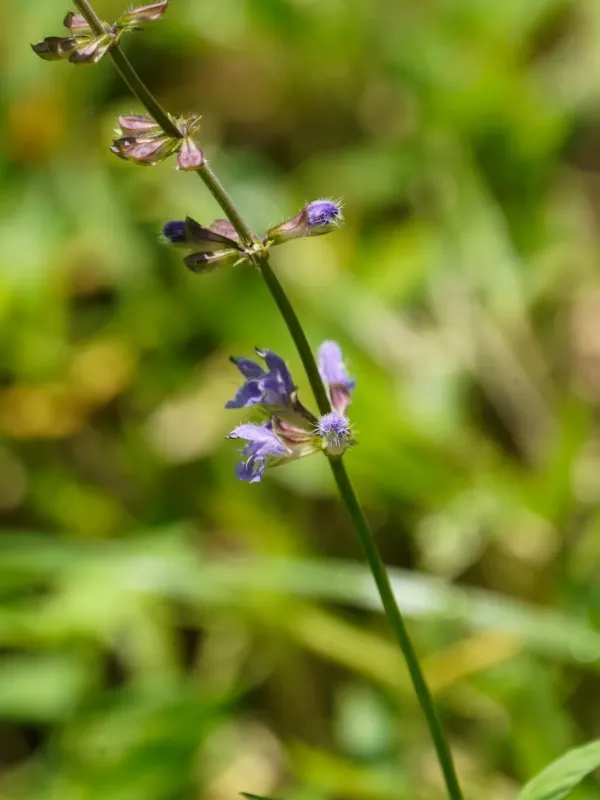
Description
Sowing dates
Sowing Japanese sage (Salvia japonica) is best initiated during the early spring once the risk of frost has passed and soil temperatures have reached approximately 12–15 degrees Celsius. Seeds are small and require minimal soil coverage to germinate effectively.
For greenhouse cultivation or seedling production, start seeds in late February or March. Use a light, well-draining seed-starting mix and maintain a consistent temperature of around 20 degrees Celsius. Ensure the seeds receive sufficient light, as they need it for optimal germination.
Direct sowing in the field requires a finely prepared seedbed free of clods and debris. Sow the seeds in rows spaced about 40–50 cm apart, lightly pressing them into the soil surface rather than burying them deep. Consistent moisture is crucial during the first three weeks.
After emergence, thin the seedlings to maintain an appropriate distance of 30 cm between individual plants. This spacing promotes healthy airflow, which is critical for reducing the incidence of fungal pathogens later in the growth cycle.
The preparation of the sowing site should include light incorporation of compost to improve soil structure, ensuring that the young plants receive sufficient nutrients to establish their root systems during the initial vegetative stage.
Growing requirements
As a member of the Lamiaceae family, Salvia japonica thrives in sunny, well-drained environments. It is highly sensitive to waterlogged soil, making the selection of a site with sandy or gravelly loam essential for long-term plant health.
The ideal soil pH for Japanese sage ranges from neutral to slightly alkaline. If the soil is too acidic, applying agricultural lime can help optimize nutrient availability and promote robust growth of the foliage and flowering stems.
While the plant exhibits moderate drought tolerance once established, it requires regular irrigation during prolonged dry spells. Avoid overhead watering to keep the foliage dry, thereby minimizing the risk of powdery mildew and other moisture-related infections.
Japanese sage prefers a temperate climate and is moderately hardy. In regions with harsh winters, providing a protective layer of mulch, such as organic straw or peat, around the base of the plant helps insulate the root zone from extreme frost.
Maintenance tasks include periodic weeding and shallow cultivation around the plants to prevent competition for nutrients. Fertilization should be balanced, focusing on nitrogen in early spring and transitioning to potassium-rich formulas before the blooming phase.
Main diseases and pests
Common pests affecting Salvia japonica include spider mites and aphids, particularly in hot and arid conditions. Regular monitoring of the underside of leaves is recommended, and if populations explode, organic insecticidal soaps can be utilized.
Powdery mildew is the most frequent disease encountered, appearing as white dust on the leaves. It is largely preventable by ensuring proper spacing between plants to maintain adequate air circulation and by watering only at the base of the plant.
Root rot, often caused by fungal pathogens such as Phytophthora, is a significant threat in poorly drained soils. To mitigate this risk, ensure the planting site is elevated or modified with drainage materials to prevent water saturation.
Slugs and snails may damage younger succulent shoots during the spring. Implementing manual control measures or physical barriers around the base of the plants can effectively protect the developing vegetation from such feeding pressure.
Integrated Pest Management (IPM) practices, including the use of resistant varieties and proper sanitation by removing dead plant debris at the end of the season, are the most effective ways to manage threats to this crop sustainably.
Harvesting
Harvesting Japanese sage is optimally performed during the peak flowering stage when the concentration of essential oils is at its highest. This usually occurs in mid-summer, depending on local climate conditions and plant maturity.
Use clean, sharp shears to harvest the top 10–15 cm of the plant, including stems and blossoms. It is advisable to harvest during the morning, after the dew has evaporated, to ensure the plant material is dry before processing.
Immediate drying is required to preserve the aromatic compounds. Place the harvested stems in a dark, well-ventilated space, hanging them in loose bundles or spreading them thinly on drying screens to ensure even moisture loss.
Avoid high temperatures during the drying process, as excessive heat can cause the volatile oils to dissipate. Proper drying should take several days, after which the leaves and flowers should feel crisp to the touch.
Final storage should be in airtight containers kept in a cool, dark place. Properly processed and stored, Japanese sage retains its potency for up to two years, making it an excellent candidate for medicinal or culinary applications.