
Botryosphaeria stem rot
Botryosphaeria ribis
Description
Symptoms
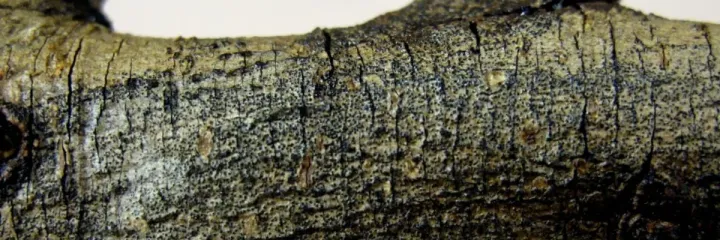
The primary symptom of this disease is the appearance of dark, sunken lesions on the lower stems that gradually spread upward. As the infection progresses, the affected tissues soften and turn a characteristic brown or black color, signaling advanced decay.
Tiny black fruiting bodies, known as pycnidia, often develop on the surface of dying stems. These structures serve as the source of spores, which are essential for the dissemination of the pathogen to neighboring plants in the vicinity.
Leaves on infected stems often show signs of wilting, chlorosis, and premature senescence due to the impairment of water and nutrient transport. When a symptomatic stem is cut, the internal vascular tissue often displays distinct browning or necrosis.
The disease frequently affects ornamental species such as geraniums and various pelargonium cultivars, including ivy-leaved pelargoniums. Under high humidity, a fine, greyish mycelial mat may cover the surface of the lesions, accelerating tissue collapse.
If left unmanaged, the stem becomes structurally weak and may snap or collapse entirely, resulting in the death of the shoot or the whole plant. Early detection of these basal stem lesions is critical to preventing the spread of the disease.
Pathogen
The pathogen responsible for the disease is the ascomycete fungus Botryosphaeria ribis. This opportunistic parasite can infect living plant tissues and thrive on organic matter, making it a persistent threat in cultivation environments.
The fungus produces conidia within its pycnidia, which are easily splashed by water during irrigation or rainfall. Spores can remain viable for extended periods in the soil or on infected plant debris, ensuring the longevity of the inoculum.
Infection occurs primarily through wounds, pruning cuts, or natural openings in the plant epidermis. Once inside, the fungus invades the vascular system, secreting enzymes that break down plant cell walls and lead to localized tissue death.
Botryosphaeria ribis is known for its wide host range, which complicates management in greenhouses containing mixed plant species. Its ability to switch between parasitic and saprophytic lifestyles allows it to persist even when live hosts are temporarily unavailable.
Understanding the biology of this pathogen is vital for implementing effective control strategies. Because it colonizes both herbaceous and woody plants, sanitation protocols must be comprehensive across all plant groups in the collection.
Conditions for development
High relative humidity and poor soil drainage are the most critical factors for the development of Botryosphaeria stem rot. Excess moisture creates the necessary conditions for spore germination and rapid mycelial invasion of the stem.
Temperature plays a significant role in the fungus's lifecycle, with moderate temperatures promoting optimal mycelial growth. Stress caused by fluctuating temperatures or inconsistent irrigation reduces plant resilience, making them more susceptible to attack.
Poor ventilation in crowded plant stands increases the duration of leaf and stem wetness, which facilitates the establishment of the infection. Inadequate air circulation prevents rapid drying, creating a favorable microclimate for the pathogen.
Mechanical damage to stems caused by improper pruning, handling, or pest activity provides entry points for the fungal spores. Hygiene failures, such as using unsterilized knives or tools, are frequent drivers of rapid disease transmission.
The use of contaminated potting media or introducing infected nursery stock can lead to immediate outbreaks within a greenhouse. Constant monitoring of the environment is essential to suppress the growth of the pathogen before it causes widespread damage.
Why it matters
The harm caused by Botryosphaeria stem rot is significant, as it leads to the rapid decline and death of infected plants. It is particularly devastating for ornamental plant production, where aesthetic quality is paramount.
The disease can cause total loss of entire batches of geraniums or pelargoniums if not addressed quickly. The infection process is often swift, making recovery impossible once the vascular system is severely compromised.
In addition to direct damage, the presence of the pathogen lowers the overall vigor of the plant, making it more prone to secondary infections by other opportunistic fungi. This cascading effect necessitates intensive management efforts.
For growers, the presence of this disease incurs financial losses due to crop waste, disposal costs, and the expense of decontamination procedures. It disrupts production schedules and compromises the quality of nursery stock.
Due to its potential to rapidly destroy valuable plant collections, the disease is considered highly destructive. Preventive control is far more effective and less costly than attempting to treat infected plants.
Protection
Strict sanitation is the cornerstone of managing Botryosphaeria stem rot. Infected plants must be promptly removed and destroyed to prevent the further spread of spores within the growing facility.
Irrigation practices should be carefully adjusted to avoid waterlogging the soil. Providing excellent drainage and ensuring that surfaces dry out between watering sessions are key components of disease suppression.
All pruning tools must be regularly disinfected with alcohol or other appropriate sanitizers to prevent the mechanical transmission of the pathogen. This simple step is highly effective in breaking the cycle of infection.
Systemic fungicides may be used as a preventative measure or at the very early stages of infection. Rotating different chemical classes is essential to manage the risk of fungicide resistance in the fungal population.
- Use pathogen-free starting materials.
- Ensure proper spacing and airflow.
- Avoid wounding plants during routine care.
- Regularly monitor plants for early symptoms.
Pathogens and affected parts
Affects crops · 3
Discussion
No discussions yet — be the first.