
Zonal pelargonium
Pelargonium zonale (L.) L'Hér.
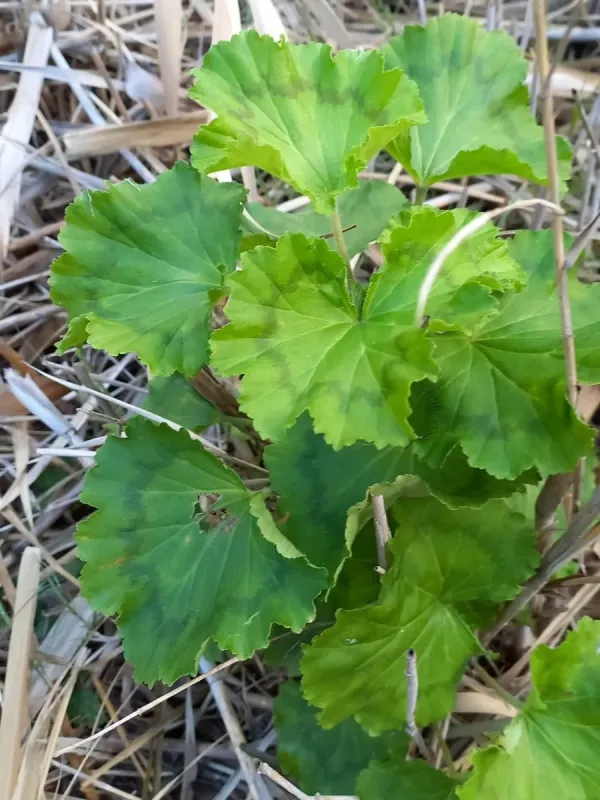
Description
Sowing dates
Zonal pelargonium (Pelargonium zonale), belonging to the Geraniaceae family, is a popular ornamental crop. Propagation typically starts with sowing seeds in January or February to ensure mature plants for the market season.
Seeds should be sown in a high-quality, fine-textured starter mix. They require a steady temperature of 22–24°C to germinate uniformly. Providing bright light immediately after emergence is essential to prevent etiolation.
Vegetative propagation via cuttings is the standard for commercial production. Cuttings are harvested from healthy mother plants and rooted in a well-draining media to maintain specific cultivar traits.
Seedlings are transplanted into individual pots once they reach the two-leaf stage. Adequate spacing is required to ensure proper airflow and light penetration, which are vital for healthy plant development.
Hardening off the plants is a crucial step before moving them to outdoor locations or greenhouses. This adaptation process helps the pelargoniums withstand environmental changes and reduces transplant shock.
Growing requirements
Pelargonium zonale thrives in full sun exposure. High light intensity is necessary for vibrant leaf patterns and sustained floral production throughout the growing season.
The crop prefers a well-draining, nutrient-rich soil with a pH ranging from 6.0 to 7.0. Proper drainage is critical, as waterlogged roots are the primary cause of plant failure in containers.
Watering should be managed based on environmental conditions. It is best to allow the substrate to dry slightly between watering cycles to encourage deep root penetration and prevent rot.
Nutrient supplementation is required during the rapid growth phase. A balanced liquid fertilizer applied fortnightly helps maintain strong stems and encourages the development of large, colorful inflorescences.
The optimal temperature range is 18–25°C. While the plant can tolerate short periods of heat, consistently high temperatures above 30°C may reduce flower count and quality.
Main diseases and pests
Botrytis blight (gray mold) is a severe threat under high humidity conditions. Good ventilation is the most effective preventative measure against this fungal disease.
Root rot, often caused by Pythium species, occurs in poorly drained soils. Infected plants typically show stunted growth and yellowing leaves, and they often cannot be recovered once symptoms appear.
Spider mites are common pests in hot, dry climates. They damage leaves by feeding on chlorophyll, leading to a stippled, pale appearance and eventual leaf drop if left unchecked.
Whiteflies can infest the underside of leaves, causing significant damage through sap extraction and the secretion of honeydew, which leads to sooty mold growth.
Strict sanitation protocols in greenhouses are essential to manage pests. Removing weeds and infected plant debris significantly reduces the risk of recurring infestations and viral pathogen transmission.