
Pelargonium grandiflorum
Pelargonium grandiflorum (Andrews) Willd.
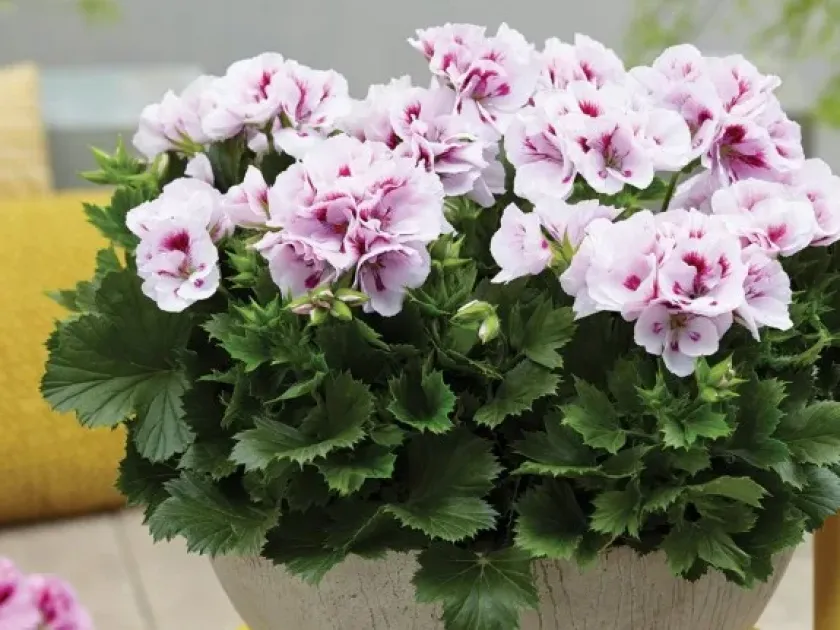
Description
Sowing dates
Propagation of Pelargonium grandiflorum is primarily achieved through stem cuttings, as this method ensures the maintenance of desirable genetic traits in the progeny.
The optimal timing for collecting cuttings is during late summer, which allows the young plants to establish a robust root system before the onset of winter.
For seed propagation, sowing is typically carried out from late autumn to early winter using sterile, well-draining seed starting mix to prevent damping-off.
Germination requires a consistent temperature of 20–22 degrees Celsius and moderate moisture, usually maintained under a glass or plastic cover.
Young seedlings should be transplanted into individual pots once they develop at least two sets of true leaves to encourage vigorous growth.
Growing requirements
Pelargonium grandiflorum thrives in bright, indirect light and requires a well-ventilated environment to maintain plant health and prevent disease outbreaks.
The soil should be a nutrient-rich, peat-based mix with excellent drainage capabilities to prevent waterlogging, which the plant is highly sensitive to.
Successful flowering depends on a vernalization period, requiring cool night temperatures between 12 and 15 degrees Celsius during the winter months.
Watering practices must be disciplined; the medium should be allowed to dry slightly between waterings to ensure adequate aeration of the root zone.
Regular application of low-nitrogen, high-potassium fertilizers during the growing season is essential for maximizing flower production and plant vigor.
Main diseases and pests
The crop is vulnerable to common greenhouse pests such as whiteflies, aphids, and spider mites, which can cause significant damage if left untreated.
Fungal pathogens including Botrytis cinerea often attack the foliage and flowers when humidity levels are high and air circulation is inadequate.
Root rot caused by Pythium species is a major threat in poorly drained containers, often leading to rapid plant decline and death if moisture is not managed.
Integrated pest management strategies, including the use of biological controls and selective chemical applications, are recommended for large-scale production.
Sanitation, such as the removal of dead or decaying plant tissue, is a critical preventative measure against the spread of both viral and fungal diseases.