
Interspecific pelargonium
hybrids between Pelargonium peltatum and Pelargonium zonale
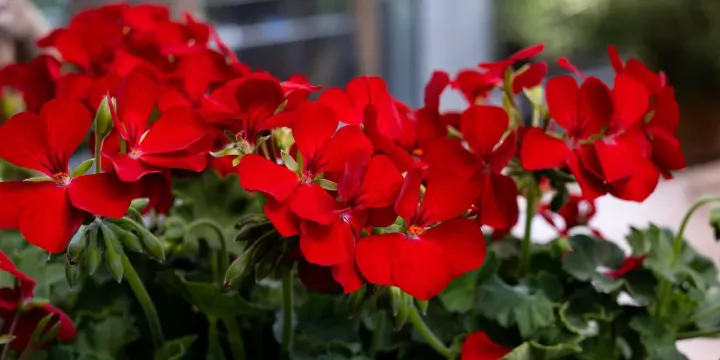
Description
Sowing dates
Interspecific pelargonium, resulting from a cross between P. peltatum and P. zonale, is a hybrid species valued for its vigor and floriferous nature. Propagation is primarily achieved through cuttings to ensure the stability of the plant's hybrid characteristics.
Cuttings are typically taken in late winter or early spring. They require a warm, well-aerated rooting medium and temperatures maintained at approximately 20–22 degrees Celsius to ensure successful establishment.
For seed-propagated F1 hybrids, sowing should commence in January. Using a lightweight, high-quality peat-based substrate is essential for the healthy development of seedlings. Supplemental lighting is critical during the initial stages of growth.
Once true leaves appear, seedlings are transplanted into individual containers. The use of plant growth regulators is often employed in professional nurseries to maintain a compact, well-branched growth habit.
Acclimatization to outdoor conditions is performed gradually once the danger of frost has fully passed. Proper hardening off ensures that the young plants can withstand environmental fluctuations.
Growing requirements
Belonging to the Geraniaceae family, this hybrid thrives in locations with high light intensity. It is significantly more resilient to heat and humidity compared to many other common bedding plant species.
Soil requirements include excellent drainage and a slightly acidic to neutral pH level. A mix of peat, compost, and coarse sand or perlite creates the ideal medium for root development.
Irrigation should be managed carefully, allowing the soil surface to dry out slightly between waterings. This cycle helps prevent the onset of common root-related fungal issues that can affect pelargoniums.
Consistent fertilization is necessary during the active growing season. A balanced fertilizer with a higher potassium ratio is recommended to maximize the quantity and quality of blooms throughout the season.
Temperature management is key; while the plants tolerate heat, they should be protected from extreme freezing temperatures. In moderate climates, they perform best when kept within a range of 18–25 degrees Celsius.
Main diseases and pests
Gray mold (Botrytis cinerea) represents the most common threat, especially in humid or poorly ventilated greenhouse conditions. Proper spacing and airflow are the most effective preventative measures.
Pests such as spider mites and whiteflies frequently target the foliage. Integrated pest management strategies, including the use of targeted insecticides, are recommended to maintain plant health.
Root rots caused by Pythium species can be devastating if irrigation practices are flawed. Using sterilized containers and fresh, disease-free substrate is a fundamental practice in greenhouse production.
Viruses and phytoplasmas can cause stunted growth and chlorotic leaves. As these diseases are systemic and incurable, sanitation and the removal of infected plants are essential to prevent further spread.
Thrips may damage developing buds, leading to stunted or discolored flowers. Regular inspection and monitoring with yellow sticky traps are essential for early detection and mitigation of pest pressure.