
Zonal pelargonium
Pelargonium x hortorum L. H. Bailey
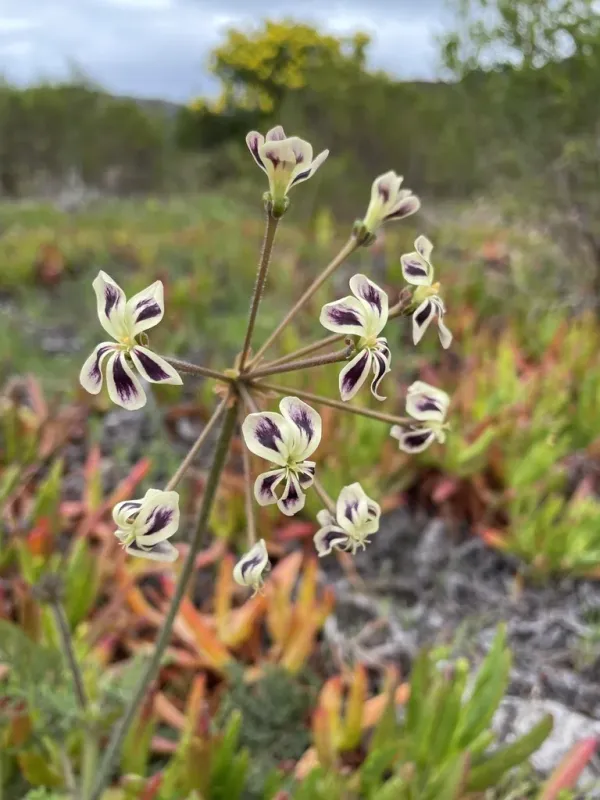
Description
Sowing dates
Zonal pelargonium (Pelargonium x hortorum), a member of the Geraniaceae family, is a popular ornamental crop. Propagation by seed typically begins in late winter, between January and March, to ensure plants are ready for the spring planting season.
Seeds are sown in a sterile, well-draining peat-based medium. They are lightly covered with vermiculite and kept at a constant temperature of 22–24 degrees Celsius to facilitate uniform germination.
Seedlings usually emerge within 10–14 days. Once the first true leaves have developed, they are transplanted into individual pots to provide adequate space for root expansion and foliage development.
Vegetative propagation via cuttings is a common practice to ensure uniformity among commercial crops. Cuttings are taken from healthy mother plants and rooted in a porous substrate under controlled humidity.
Proper sanitation during the sowing process is crucial to prevent damping-off, a common fungal disease that affects young pelargonium seedlings in the early developmental stages.
Growing requirements
This crop thrives in full sun but benefits from partial shade in extremely hot climates to prevent leaf scorching. Adequate light intensity is essential for maintaining the characteristic zonal markings on the foliage.
The ideal soil is a porous, fertile loam with excellent drainage. Pelargoniums do not tolerate waterlogged conditions, as their root systems are highly susceptible to rot when kept in consistently saturated soil.
Temperatures ranging from 18 to 25 degrees Celsius are optimal for vegetative growth. While the plant can withstand cooler temperatures, it must be protected from frost, which causes immediate and irreversible cellular damage.
Watering should be managed through a cycle of saturation and partial drying. Over-watering is the most significant error in pelargonium cultivation, often leading to physiological distress and susceptibility to disease.
Fertilization with a balanced NPK ratio (with a slight emphasis on phosphorus and potassium) is recommended every two weeks during the active growing season to support continuous, abundant flowering.
Main diseases and pests
Aphids, whiteflies, and spider mites represent the primary insect threats to zonal pelargonium. These pests can rapidly colonize plants in greenhouse conditions, causing leaf yellowing and stunted growth.
Gray mold, caused by the fungus Botrytis cinerea, is a persistent threat in high-humidity or poorly ventilated environments. It appears as gray, fuzzy growth on leaves and flowers, eventually leading to tissue death.
Rust diseases are identified by the formation of brown, pustule-like spots on the underside of leaves. Prevention involves keeping foliage dry during irrigation and maintaining adequate airflow between plants.
Bacterial blight, caused by Xanthomonas, is a severe disease that can wipe out entire crops. It presents as V-shaped lesions on leaves and eventually leads to systemic wilt of the plant.
Effective management includes regular scouting for pests and diseases, early removal of infected plant material, and the application of integrated pest management strategies to minimize chemical usage.