
Regal pelargonium
Pelargonium x domesticum L. H. Bailey
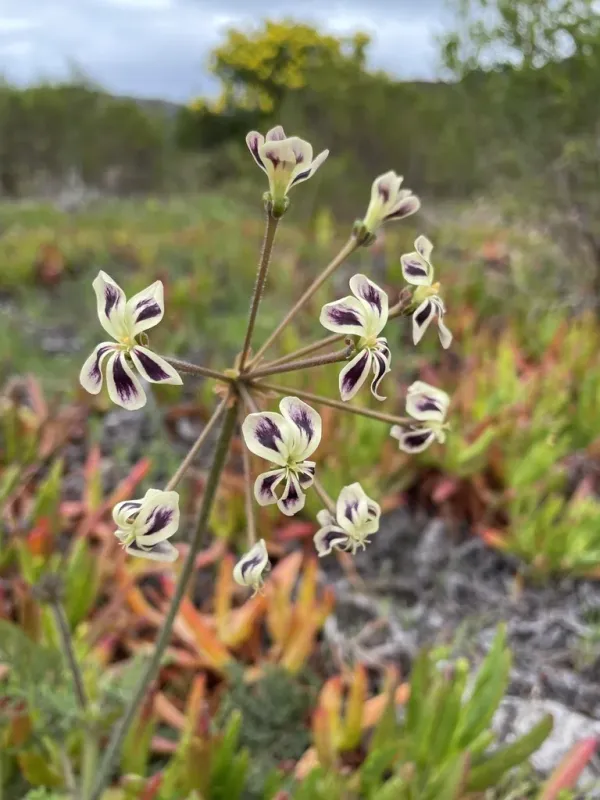
Description
Sowing dates
Propagation of Regal pelargonium (Pelargonium x domesticum) in professional horticulture is primarily achieved through stem cuttings to maintain cultivar consistency.
The optimal period for harvesting cuttings occurs from late summer to early autumn, allowing sufficient time for root establishment before the winter dormant phase.
Cuttings should be placed in a well-drained, sterile rooting medium, maintaining moderate moisture and indirect light to facilitate the development of a healthy root system.
Spring propagation is also practiced in greenhouse settings but often requires supplemental lighting to ensure stock plants remain compact and vigorous.
Once established, the young plants are transplanted into specialized containers with a nutrient-rich substrate designed for container-grown ornamental crops.
Growing requirements
As a member of the Geraniaceae family, the Regal pelargonium requires a specific cool vernalization period to induce reliable flowering during the spring season.
This crop thrives in bright, filtered sunlight; however, high light intensity during peak summer months necessitates the use of shading to prevent leaf scorching.
The substrate must offer excellent porosity and a neutral to slightly acidic pH, as waterlogged conditions quickly lead to physiological stress and root death.
Irrigation practices must be precise, allowing the growing medium to dry out slightly between waterings to prevent the development of common water-borne pathogens.
Temperature management is the most critical agronomic factor: cooler nights (12-15 degrees Celsius) are essential for setting buds, whereas daytime temperatures should range from 18 to 22 degrees.
Main diseases and pests
Botrytis cinerea (grey mold) is the most prevalent disease, often appearing on blooms and foliage if ventilation is inadequate and humidity remains too high.
Root rot, typically caused by Pythium species, frequently occurs due to improper soil composition or excessive irrigation in low-light conditions.
Pests such as whiteflies and spider mites are common in greenhouse environments and can cause significant damage if populations are not managed early.
Aphids also pose a threat, as they colonize the soft tissue of new growth, causing stunting and acting as vectors for various plant viruses.
Effective management requires a consistent integrated pest management (IPM) strategy, focusing on sanitation and the application of suitable horticultural chemicals when necessary.