
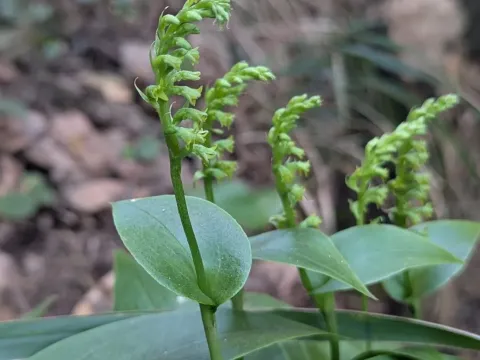
Gennaria
Gennaria
Gennaria is a genus of perennial herbaceous plants belonging to the Orchidaceae family. It is a monotypic genus containing only the species Gennaria diphylla, which is native to the Mediterranean region and the Canary Islands.
What the section contains

Gennaria
The plant is geophytic, utilizing subterranean tubers to store nutrients and survive the hot, dry summers characteristic of its native habitat. It typically enters a dormant phase when the foliage withers after the flowering season is complete.
In its natural environment, it occupies shaded or semi-shaded woodland areas, often thriving in rocky soils or limestone-rich substrates. Proper drainage is essential to prevent the tubers from rotting during the wet, cool winter growth period.
The symbiotic relationship with specific mycorrhizal fungi is a fundamental requirement for the lifecycle of Gennaria. This biological necessity makes the cultivation of the plant outside its natural ecological niche extremely difficult and specialized.
For conservation and research purposes, the plant requires a climate that strictly mimics the Mediterranean seasonal cycle, with adequate moisture during the winter months and total dryness during the summer dormancy period.
The main threats to Gennaria include the degradation of its natural habitats due to urban expansion, intensive agriculture, and land management changes that disrupt the delicate balance of forest undergrowth where it resides.
Fungal diseases are a major concern, particularly those affecting the root and tuber systems. Species of Rhizoctonia or Fusarium can easily devastate populations if the soil moisture levels become stagnant or the drainage is insufficient.
Herbivory by gastropods, such as slugs and snails, causes significant damage to the plant's aerial parts. Given the slow growth rate of the species, such damage often leads to the inability of the individual plant to flower or produce seeds.
Climate instability acts as a long-term threat, as changes in rainfall patterns directly affect the winter growing season. Inconsistent winters fail to trigger the necessary growth cycle, leading to the depletion of reserves in the tubers.
Due to its rarity and specific ecological requirements, the species is considered fragile. Conservation efforts focus on protecting existing populations from physical disruption rather than active agricultural management, which has limited applicability for this wild orchid.