
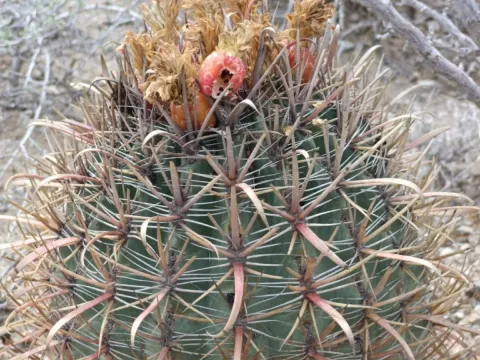
Ferocactus
Ferocactus
Ferocactus propagation from seeds should be initiated in the early spring months. This timing allows young seedlings to capitalize on the increasing daylight intensity, which is critical for healthy establishment.
What the section contains
 Ferocactus acanthodes
Ferocactus acanthodes
Ferocactus acanthodes
 Ferocactus alamosanus
Ferocactus alamosanus
Ferocactus alamosanus
 Ferocactus chrysacanthus
Ferocactus chrysacanthus
Ferocactus chrysacanthus
 Ferocactus diguetii
Ferocactus diguetii
Ferocactus diguetii
 Ferocactus echidne
Ferocactus echidne
Ferocactus echidne
 Ferocactus emoryi
Ferocactus emoryi
Ferocactus emoryi
 Ferocactus flavovirens
Ferocactus flavovirens
Ferocactus flavovirens
 Ferocactus fordii
Ferocactus fordii
Ferocactus fordii
 Ferocactus glaucescens
Ferocactus glaucescens
Ferocactus glaucescens
 Ferocactus gracilis
Ferocactus gracilis
Ferocactus gracilis
 Ferocactus haematacanthus
Ferocactus haematacanthus
Ferocactus haematacanthus
 Ferocactus hamatacanthus
Ferocactus hamatacanthus
Ferocactus hamatacanthus
 Ferocactus histrix
Ferocactus histrix
Ferocactus histrix
 Ferocactus latispinus
Ferocactus latispinus
Ferocactus latispinus
 Ferocactus macrodiscus
Ferocactus macrodiscus
Ferocactus macrodiscus
 Ferocactus peninsulae
Ferocactus peninsulae
Ferocactus peninsulae
 Ferocactus pilosus
Ferocactus pilosus
Ferocactus pilosus
 Ferocactus pottsii
Ferocactus pottsii
Ferocactus pottsii
 Ferocactus robustus
Ferocactus robustus
Ferocactus robustus
 Ferocactus schwarzii
Ferocactus schwarzii
Ferocactus schwarzii
 Ferocactus townsendianus
Ferocactus viridescens
Ferocactus viridescens
Ferocactus townsendianus
Ferocactus townsendianus
Ferocactus viridescens
Ferocactus viridescens
 Herrera's Ferocactus
Ferocactus herrerae
Herrera's Ferocactus
Ferocactus herrerae
Ferocactus
A well-draining, mineral-based substrate is essential for seed germination. The seeds are placed on the surface and lightly covered with fine sand, maintaining high humidity inside a clear propagator or container.
Constant temperature management between 22 and 26 degrees Celsius is required for successful sprouting. Daily ventilation of the seeding container is necessary to avoid damping-off diseases caused by stagnant moisture.
Once seedlings develop their characteristic spines, they should be gradually acclimated to lower humidity. This process helps the young cacti harden their epidermis for mature growing conditions.
Transplanting (pricking out) is performed once the plantlets are sturdy enough to handle. Extreme care must be taken to prevent bruising the delicate root system during the repotting process.
Ferocactus is a genus in the Cactaceae family native to the arid desert regions of Mexico and the Southwestern United States. These plants are true xerophytes, thriving in extreme solar radiation and low rainfall.
Exposure to full, direct sunlight is a non-negotiable requirement for Ferocactus. Without at least six to eight hours of direct sun daily, the plant will etiolate, losing its compact, barrel-shaped form.
The potting medium must be highly porous. A blend of coarse sand, perlite, and gravel, mixed with a small portion of potting soil, ensures excellent aeration and prevents root asphyxiation during watering.
Watering should be deep but infrequent. Allow the soil to dry out completely between waterings during the growing season. In winter, the plant enters dormancy and requires near-total dryness to survive.
Proper air circulation is vital to prevent the accumulation of humidity around the spine clusters, which can become a breeding ground for pests if the environment remains stagnant.
The most dangerous threat to Ferocactus is root rot, triggered by overwatering or soil that lacks adequate drainage. Once the vascular system is compromised by fungal decay, the plant is often difficult to save.
Common pests include the mealybug, which can hide deeply between the dense spines, and spider mites, which thrive in hot, dry, and stagnant air. Regular inspections are necessary to catch infestations early.
Control methods involve the use of systemic insecticides specifically labeled for cacti. When dealing with mealybugs, manual removal using a cotton swab dipped in alcohol can be an effective initial step.
Fungal diseases are best managed by strict moisture control and the use of fungicide treatments when early discoloration is observed. Proper plant hygiene significantly reduces the need for chemical intervention.
Protecting the cactus from extreme temperature drops while in a moist state is essential. Cold combined with wet soil is the fastest way to induce systemic collapse in barrel cacti.