
Ferocactus robustus
Ferocactus robustus
Description
Growing requirements
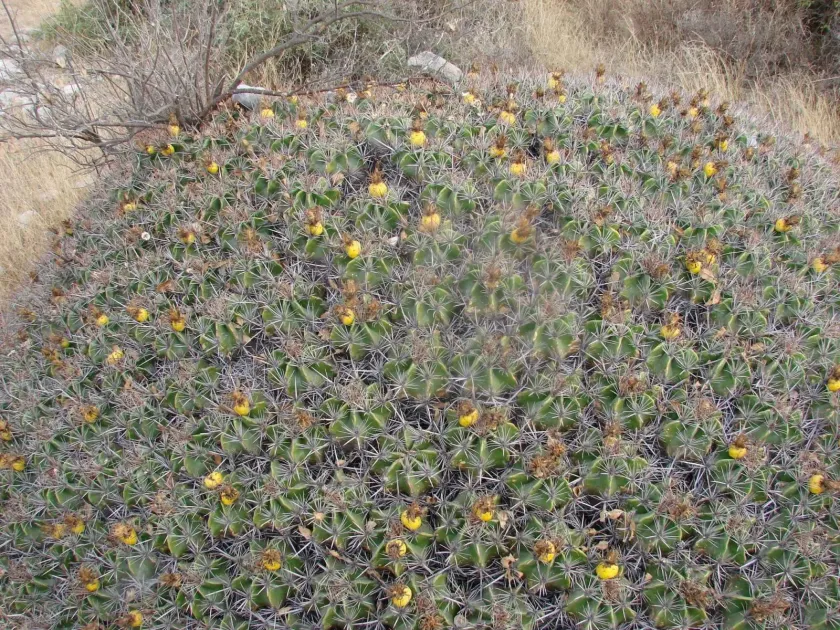
Ferocactus robustus is a notable member of the Cactaceae family, native to the arid landscapes of Mexico. Known for its clumping growth habit, this species forms dense, impressive clusters of spherical to cylindrical stems that make it a distinct feature in specialized greenhouse cultivation.
The plant thrives under conditions of high solar irradiance. To ensure optimal health and the development of its iconic, stiff spines, it requires full sun exposure throughout the growing season. Inadequate light results in etiolation and a weakened structure of the plant.
A well-draining mineral-based substrate is essential for the successful cultivation of this species. The growing medium should consist of coarse sand, perlite, and volcanic rock, ensuring that moisture does not remain stagnant near the base of the stems, which is vital for preventing decay.
Climate management requires a warm and dry environment. During the active growth period, temperatures between 22 and 35 degrees Celsius are ideal. Conversely, a distinct winter rest period is necessary, where temperatures should stay cool but frost-free, ideally around 10 degrees Celsius.
Irrigation should be performed with precision, allowing the substrate to dry out completely between waterings. During winter, water should be withheld entirely to mirror the natural dormant phase of this desert species and promote longevity.
Main diseases and pests
Fungal pathogens associated with excessive moisture represent the primary threat to Ferocactus robustus. Root rot and stem rot occur rapidly in poorly aerated environments, necessitating strict adherence to dry cultivation protocols.
Mealybugs are common pests that colonize the gaps between the dense ribs and spines. Their removal can be labor-intensive, requiring systemic insecticides or targeted mechanical intervention to keep the plant's surface clean and healthy.
Spider mites can also proliferate in hot, dry conditions, causing discoloration and scarring of the cactus epidermis. Maintaining a clean environment and ensuring adequate airflow can help mitigate the risk of mite infestations.
Nematodes are potential soil-borne threats that can damage the root system, leading to stunted growth. Using sterile, high-quality soil components and avoiding contaminated water sources are effective strategies to prevent these issues.
Regular monitoring of the plants for any signs of tissue softening or abnormal growth is recommended. Prompt isolation and treatment of affected specimens prevent the spread of diseases and pests within the cultivation facility.