
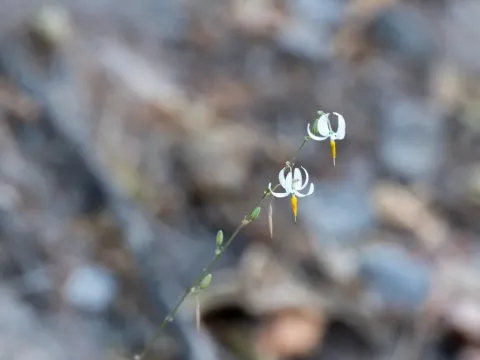
Echeandia
Echeandia
Sowing Echeandia seeds is best accomplished in the spring season when soil temperatures have consistently risen. Seed germination can be slow, so a brief period of cold stratification often improves the overall success rate for growers.
What the section contains


Echeandia
When starting indoors, use a porous, well-draining seed-starting mix to ensure adequate aeration around the seeds. Maintain a steady temperature between 20 and 22 degrees Celsius to facilitate uniform sprouting.
Once seedlings have developed their first true leaves, they should be transplanted into individual pots or a permanent location. Careful handling of the root system is essential to prevent transplant shock during this phase.
Direct outdoor sowing is only recommended in frost-free regions with stable spring weather. Seeds should be covered with a fine layer of soil and kept moist but not saturated during the germination period.
Echeandia is a genus of herbaceous perennials belonging to the Asparagaceae family, native to regions spanning from the southwestern United States down to Argentina.
The ideal growing site for Echeandia includes well-draining soil with a neutral to slightly acidic pH level. Incorporating organic matter, such as compost, can significantly improve soil structure and fertility.
This crop thrives in full sun to partial shade, depending on the intensity of the regional climate. In hotter areas, afternoon shade is highly beneficial to prevent leaf scorching and excessive water loss.
Watering requirements are moderate; the plants possess thickened roots capable of storing moisture, making them somewhat resilient to short-term dry spells. Avoid waterlogged conditions at all costs, as these lead to rapid decay.
Apply balanced fertilizers throughout the active growing season to support healthy foliage and the development of attractive floral stalks. Slow-release granular fertilizers are often preferred for long-term nutrient availability.
Temperature management is crucial, as many species are not frost-hardy. In northern climates, bringing the plants indoors or into a greenhouse during the winter months is a necessary precaution for survival.
The most common threat to Echeandia is the development of crown and root rot, usually caused by overwatering or poor drainage systems in the planting area. These pathogens can be fatal if not managed early.
Aphids and spider mites are frequent pests, especially during dry and warm conditions. These pests suck the sap from the plants, leading to stunted growth, yellowing foliage, and a general decline in plant vigor.
Integrated pest management should involve routine inspection of the foliage, particularly the undersides of leaves, and the removal of heavily infested plant parts. Manual removal or washing with a mild soapy solution is often effective.
To reduce the risk of disease, maintain adequate spacing between plants to allow for airflow. Good ventilation significantly lowers the humidity around the crown, which prevents fungal outbreaks.
In addition to these threats, bacterial soft rot can occasionally occur under humid conditions. Ensuring that the soil remains well-drained and the area is kept free of debris is the best defense against such infections.