
Echeandia reflexa
Echeandia reflexa
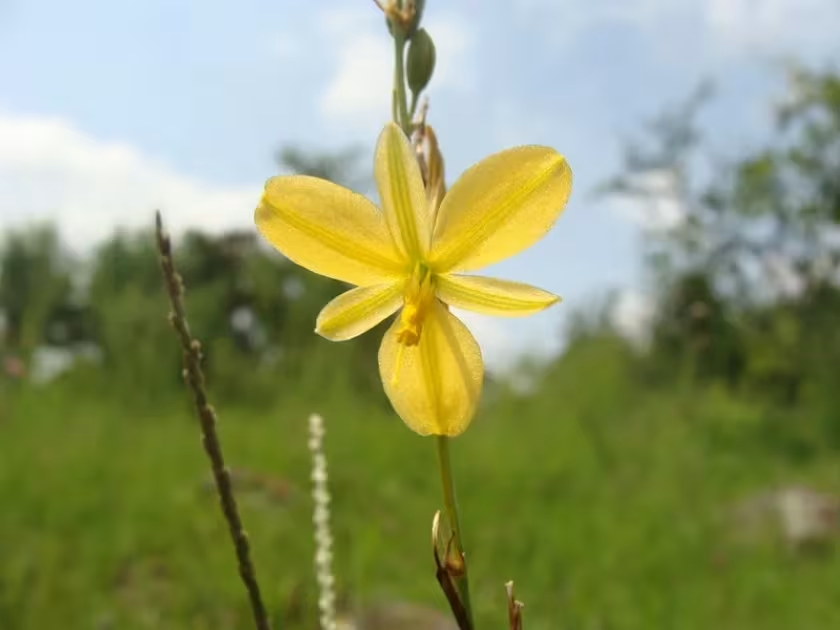
Description
Sowing dates
Seeds of Echeandia reflexa are typically sown in early spring, once soil temperatures remain consistently above 15 degrees Celsius. Sowing indoors during late winter is also a viable method to extend the growing season.
It is recommended to cold-stratify the seeds for 3–4 weeks prior to sowing to improve germination rates. This mimics the natural climatic cycle and helps break seed dormancy effectively.
Use a well-draining seed-starting mix, ensuring it is slightly acidic to neutral. Seeds should be covered lightly with vermiculite or soil, as light may inhibit germination in some accessions.
Maintain constant humidity using a clear cover or misting. Keep the tray in a location with bright, indirect light; direct sunlight may cause the seedbed to dry out too quickly before germination.
Once seedlings have developed two sets of true leaves, they should be transplanted into small pots. Handle the delicate roots with extreme care to avoid shock and stunt growth during the juvenile phase.
Growing requirements
Echeandia reflexa is an herbaceous perennial belonging to the Asparagaceae family. It is native to the diverse landscapes of Mexico, often found in grassy slopes and high-elevation habitats.
The plant thrives in full sun but benefits from protection during the peak heat of the afternoon. Proper airflow is critical to prevent fungal issues in the dense leaf rosettes during humid conditions.
Soil requirements focus on drainage. A mixture containing grit, coarse sand, and organic compost is ideal for preventing root rot, which is the most common cause of failure in cultivation.
Watering schedules should be adjusted based on the growth cycle. During active spring and summer growth, keep the soil consistently moist; however, avoid waterlogging to protect the tubers.
As the plant enters dormancy in late autumn, foliage will yellow and die back. At this stage, reduce irrigation significantly to allow the root tubers to rest in relatively dry soil until spring.
Main diseases and pests
Echeandia reflexa is susceptible to several common pests including aphids and mealybugs, which often cluster on the soft, emerging leaves. Regular monitoring and insecticidal soap applications are effective controls.
Root rot caused by Phytophthora or Pythium species is the most dangerous disease, occurring primarily due to poor soil drainage or excessive irrigation during the dormancy period.
Slugs and snails may damage the succulent leaves during the early stages of growth, especially if the planting site is located in high-moisture or densely mulched areas.
Botrytis blight may appear if airflow is insufficient. Improving ventilation and removing dead plant debris around the base of the plant can significantly lower the risk of infection.
To prevent these threats, ensure that the crown of the plant is not buried too deep in the soil and avoid overhead watering to keep the foliage as dry as possible.
Harvesting
The primary use of Echeandia reflexa is ornamental, specifically for prairie-style gardens and rockeries. Its bright, star-shaped yellow flowers add significant aesthetic value to landscapes.
For those interested in seed collection, allow the flower stalks to remain on the plant until the capsules turn brown and dry. Harvest promptly before they split to lose seeds.
If harvested for display, the stems should be cut early in the morning when the plant is fully turgid. Place them in clean water immediately to maintain flower longevity for several days.
Propagating via division of the tubers is a common practice for maintaining established patches. This should be performed during the plant's dormant season to minimize damage to the root system.
Sustainable maintenance involves annual mulching with thin layers of compost, which helps retain moisture during the summer while protecting the soil structure throughout the year.