
Echeandia flavescens
Echeandia flavescens
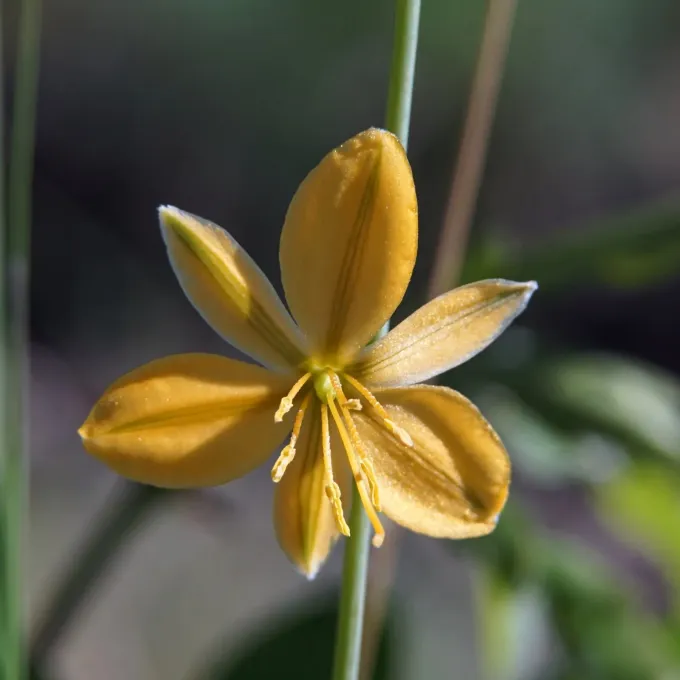
Description
Sowing dates
Propagation of Echeandia is typically performed by sowing seeds or by dividing the tuberous rootstocks during the spring. Seeds should be sown in a light, well-draining substrate, maintaining a stable ambient temperature of approximately 20–22 degrees Celsius for uniform germination.
When sowing, avoid deep burial of the seeds; a light dusting of sand or vermiculite is sufficient. Once seedlings emerge, they require intense light to prevent etiolation and to promote the development of robust, compact growth.
Division of the clumps is best carried out after the flowering period, once the foliage begins to senescence naturally. The plant should be carefully lifted from the soil and divided so that each segment retains viable growth buds for future development.
Agronomic practices include regular cultivation of the topsoil, which prevents crust formation and ensures oxygen penetration to the root system. Effective weed control is also necessary during the early stages of growth to prevent resource competition.
Fertilization should be managed using balanced mineral fertilizers with a low nitrogen ratio during the active growth phase. Excess nitrogen may encourage excessive leaf production at the expense of root tuber development and subsequent flower formation.
Growing requirements
Echeandia flavescens belongs to the Asparagaceae family. This perennial herbaceous plant is native to regions of Central and North America, where it thrives in rocky or grassy habitats, often preferring open areas with excellent soil drainage.
The plant features a specialized root system consisting of tuberous thickenings that serve as reservoirs for moisture and nutrients. This physiological adaptation allows the species to survive prolonged dry spells, a common characteristic of the ecosystems where it naturally occurs.
For successful cultivation, Echeandia flavescens requires bright, well-lit locations with access to direct sunlight or light shade. Providing adequate drainage is essential, as waterlogging in the root zone can quickly lead to decay and plant loss.
Optimal soil conditions include light, sandy, or loamy substrates with a neutral to slightly acidic pH. During the active growing season, moderate irrigation is required, while the plant should be kept significantly drier during its winter dormancy phase.
The plant shows moderate tolerance to temperature fluctuations but requires protection from severe soil freezing in regions with harsh winters. In temperate climates, it is frequently grown as a container plant for landscaping or conservatory collections.
Yield
The primary value of Echeandia flavescens lies in its ornamental utility within horticultural settings. Its vibrant yellow inflorescences and distinctive leaf architecture make it a desirable candidate for specialized gardens and landscaping projects.
Although it is not a commodity crop for large-scale agricultural production, it is highly valued by specialty nurseries. The yield of viable planting material is dependent upon rigorous adherence to propagation techniques and optimal environmental control.
When grown in containers, Echeandia demonstrates high efficiency, as controlled conditions allow for the production of high-quality specimens with superior root health. This technology enables scalable production while mitigating risks associated with external weather factors.
The potential for selective breeding remains, particularly in developing cold-hardy varieties that could extend the range of the plant's cultivation. Given its longevity, a well-established clump can provide decorative value for several years, reducing the need for constant replacement.
Economic viability is supported by the consistent interest from gardeners and landscape professionals seeking low-maintenance, aesthetically unique plants that offer a touch of natural elegance to designed spaces.
Main diseases and pests
The primary threats to Echeandia flavescens are fungal pathogens that thrive under conditions of high soil moisture. Root rot is the most common issue, necessitating strict irrigation control and the provision of impeccable drainage for both field and container plants.
Pests such as spider mites and various aphid species can infest the foliage and inflorescences. Early detection through regular monitoring allows for the effective use of biological control agents, which protect the plant without causing damage to the local environment.
Powdery mildew may occur when air circulation is poor, particularly in greenhouse or dense planting scenarios. Ensuring good ventilation and appropriate spacing between plants are critical preventive measures for maintaining plant health.
Damage to the root system by soil-dwelling insects can weaken the plant and diminish its aesthetic appeal. Preventive soil treatment with appropriate insecticides prior to planting helps to secure the root zone and promotes vigorous establishment.
Excessive humidity combined with cooler temperatures can create favorable conditions for grey mold on inflorescences. Watering should always be conducted at the base of the plant to keep the foliage and flowers dry, significantly increasing the plant's resistance to disease.