
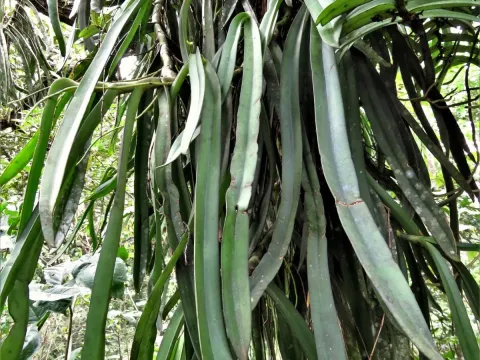
Diaphananthe
Diaphananthe
Diaphananthe is a genus of epiphytic plants belonging to the Orchidaceae family. Native to tropical regions of Africa, these plants are well-adapted to habitats where they grow on the bark of trees, utilizing aerial roots to absorb moisture and nutrients.
What the section contains

Diaphananthe
Botanically, Diaphananthe species are characterized by their specialized roots covered in a thick velamen layer, which acts as a sponge. This allows them to thrive in environments with high humidity and frequent rainfall, common in tropical forest canopies.
Cultivation of this genus requires a stable, high-humidity environment, typically between 60% and 80%. They perform best in greenhouses or climate-controlled indoor settings where temperatures remain consistently between 18°C and 25°C throughout the year.
The potting medium must be exceptionally well-draining, consisting primarily of fir bark, charcoal, and perlite. Unlike terrestrial plants, Diaphananthe roots require excellent aeration to prevent the suffocating conditions that lead to root rot.
Light requirements for Diaphananthe are moderate; bright, filtered light is ideal. Direct sun exposure should be strictly avoided, as it causes rapid dehydration and leaf scorch, which can permanently damage the plant's delicate tissues.
The primary threats to Diaphananthe are various forms of root and stem rot caused by poor air circulation or overwatering. When moisture becomes trapped in the leaf axils, it creates a breeding ground for bacterial and fungal pathogens.
Insect pests, specifically scale insects and spider mites, are common nuisances in indoor cultivation. These pests thrive in dry conditions, underscoring the importance of maintaining adequate humidity to deter infestations.
Management of pest outbreaks involves manual removal for minor issues or the use of mild, systemic insecticides. It is critical to ensure that any treatment used is safe for epiphytic orchids to avoid chemical damage to the root structure.
Maintaining a clean growing environment is the best preventative measure against diseases. Regularly wiping down leaves with a damp cloth prevents dust accumulation and allows for early detection of potential health issues.
Over-fertilization can also act as a threat, leading to salt buildup in the root zone. It is recommended to use specialized orchid fertilizers at a diluted concentration to ensure steady, healthy growth without stressing the plant's system.