
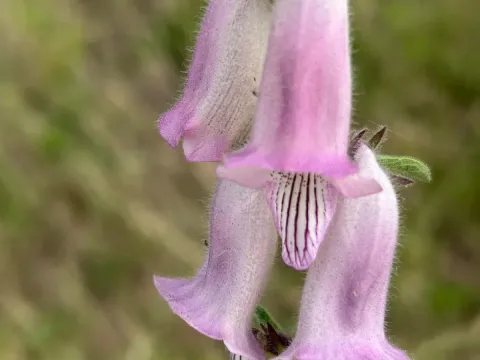
Ceratotheca
Ceratotheca
Ceratotheca is a thermophilic crop, meaning sowing should only commence once the soil temperature at the planting depth has stabilized between 15 and 18 degrees Celsius. The ideal time for planting is during a period of consistently warm weather, minimizing any risk of late spring frosts.
What the section contains


Ceratotheca
Proper timing is crucial to ensure that the vegetative growth phase aligns with the sunniest months of the year. Depending on the geographical location, this typically falls in late spring or early summer.
Seeds should be sown at a depth of no more than 2 to 3 centimeters, ensuring close contact with moist soil to promote uniform germination. Planting too deep will significantly delay emergence and reduce the overall field emergence percentage.
The sowing pattern must accommodate subsequent inter-row maintenance. A wide-row planting method, with 45 to 60 centimeters between rows, is generally considered optimal to provide sufficient space for plant nutrition.
The planting density should be adjusted based on soil fertility and irrigation availability. Overcrowding can lead to spindly stems and reduced productivity for each individual plant.
Ceratotheca belongs to the Pedaliaceae family and has high thermal requirements for successful development. It requires a significant sum of active temperatures, typical of tropical and subtropical growing environments, to flourish.
The crop prefers light, well-aerated sandy loam or loam soils with a neutral or slightly alkaline pH. Heavy clay soils that tend to retain excess moisture are detrimental to the root system, significantly increasing the risk of root rot.
While Ceratotheca possesses moderate drought tolerance, achieving maximum seed yields requires regular soil moisture during the active flowering and fruit-setting stages of development.
Light exposure is a critical factor; this plant thrives in long-day conditions and is highly sensitive to shading. Planting in open, well-exposed areas is a fundamental requirement for successful agronomic management.
Availability of nutrients, particularly phosphorus and potassium, is essential for healthy plant development. Applying fertilizers during the early growth stages is recommended to accelerate vegetative mass development.
Fungal diseases, often associated with high humidity and waterlogged soil, pose a significant threat to Ceratotheca crops. Conditions such as powdery mildew and various leaf spots can drastically reduce the photosynthetic capacity of the foliage.
Pests, including certain species of cutworms and aphids, can cause substantial damage to young seedlings by feeding on soft tissues. Regular crop monitoring is necessary to detect outbreaks early and implement biological or chemical control measures.
Root rot caused by soil-borne pathogens often occurs when crop rotation practices are ignored. It is advisable not to plant this crop in fields where other Pedaliaceae species have recently been grown to prevent the buildup of specific pests and diseases.
Weed control during the early stages of vegetation is vital, as Ceratotheca grows slowly at the start and can be easily outcompeted by aggressive weeds.
Chemical control must be strictly performed in accordance with regulatory guidelines and waiting periods to minimize pesticide residues in the final product, especially for food-grade seeds.
Harvesting Ceratotheca requires precision, as the pods are prone to shattering upon full maturity. The ideal time to harvest is when the seed pods begin to yellow, indicating that the seeds inside have reached their typical color and maturity.
Mechanical harvesting can be challenging due to pod structure, often necessitating a two-step approach: cutting and windrowing to allow for post-harvest drying before threshing. This practice significantly reduces seed losses due to shattering.
Once threshed, the seeds must be immediately cleaned of debris and dried to moisture levels suitable for safe storage. Impurities in the seed bulk can increase the risk of self-heating and spoilage.
Storage should be in a cool, dry, and well-ventilated environment. Due to the high oil content, seeds are sensitive to rancidity if kept in improper temperature or moisture conditions.
Overall yield quality is heavily dependent on the timeliness of the harvest; leaving the crop in the field too long inevitably leads to widespread pod shattering and substantial losses of valuable raw material.