
Ceratotheca triloba
Ceratotheca triloba
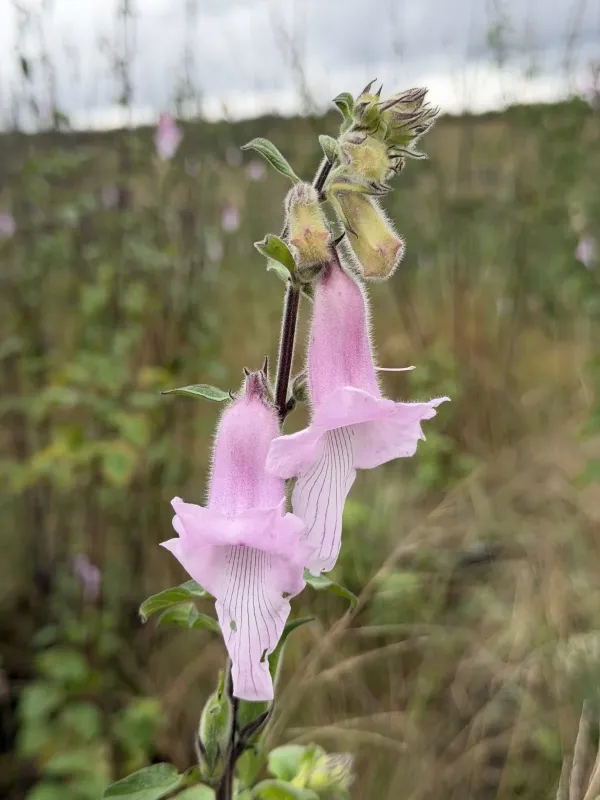
Description
Sowing dates
Ceratotheca triloba is a heat-loving plant that requires stable warm temperatures to germinate. Sowing should only occur once the risk of spring frost has completely passed and the soil has warmed up to at least 18 degrees Celsius.
Seeds are typically sown at a depth of 2 to 3 centimeters. Proper soil-to-seed contact is essential for rapid emergence, so the seedbed should be well-prepared and lightly compacted after planting.
Row planting is recommended for large-scale cultivation. This method allows for efficient weed control between rows during the early stages of plant development, which is critical for success.
In cooler climates, farmers may use a transplanting method. Starting seedlings in a greenhouse and transplanting them after the last frost can significantly extend the growing season and ensure a mature harvest.
Density management is vital; spacing plants too closely results in thin, weak stems and reduces the overall yield of pods, while excessive space may encourage unwanted weed growth.
Growing requirements
Native to Southern Africa, this crop thrives in sunny, open locations. It is highly adaptable to drought conditions, making it an excellent candidate for regions with limited irrigation resources.
The plant prefers light, well-draining soils such as sandy loams. Heavy clay soils that retain excessive moisture are unsuitable, as they can cause root suffocation and fungal infections.
A neutral to slightly acidic pH level is optimal. On highly alkaline soils, the plant may exhibit signs of nutrient deficiency, specifically in microelements, which can hinder proper leaf development.
While the plant is drought-tolerant once established, supplemental irrigation during the initial establishment phase and the peak flowering period will significantly boost seed development and final quality.
Organic fertilization prior to planting provides a stable foundation for the crop. Balanced phosphorus and potassium levels are particularly important to support the development of high-quality seeds.
Yield
The yield potential of Ceratotheca triloba is directly linked to the health of the root system and the efficiency of pollination. Healthy plants produce numerous capsules along their stalks.
High-yield outcomes require careful management of weeds and competition. Because the plant grows relatively slowly at first, the first month of development is the most critical for maintenance.
The seeds contain high-quality oils, making them a valuable commodity. Harvesting at the right time ensures the highest possible oil concentration and prevents the loss of mass during processing.
Pollination is a key factor; the presence of bees and other beneficial insects in the field is highly correlated with a higher number of successful seed sets per capsule.
Strategic harvesting of both seeds and green biomass allows farmers to maximize the utility of the crop, providing both an oilseed product and a supplementary forage source.
Main diseases and pests
Fungal pathogens remain the primary threat to this crop, particularly in humid environments. Leaf spots and stem rot are common issues that arise when airflow around the plants is restricted.
Insects such as aphids and various bugs can cause significant damage by feeding on the sap of young stems and flower buds. Early detection is essential to prevent outbreaks.
Root rot is often the result of poor soil management, specifically regarding drainage. Prevention through crop rotation and soil aeration is more effective than any chemical treatment.
- Damping-off of seedlings in cold, wet soil.
- Aphid infestations during the vegetative stage.
- Powdery mildew in crowded or poorly ventilated fields.
- Root-knot nematodes in frequently replanted plots.
Adopting a strict crop rotation cycle—avoiding fields that previously hosted other Pedaliaceae family members—helps maintain a low disease pressure and improves overall field hygiene.
Harvesting
Timing the harvest is crucial because the capsules are prone to shattering as they dry. Harvesting should begin when the lower capsules turn brown, while the upper ones are still maturing.
Manual or mechanical harvesting must be performed under dry conditions. Harvesting during early morning or late evening can help reduce the shattering of capsules due to moisture changes.
Post-harvest processing involves threshing and cleaning the seeds, followed by immediate drying. The moisture content must be reduced to about 10 percent to prevent mold during long-term storage.
Proper drying prevents the degradation of delicate oils within the seeds. Ventilated storage areas are preferred, as they ensure that the seeds remain dry and free from heat-induced damage.
Once dried and stored in cool, dark, and dry conditions, the seed stock maintains high viability and quality for several years, making it suitable for both commercial use and replanting.