
Ceratotheca sesamoides
Ceratotheca sesamoides
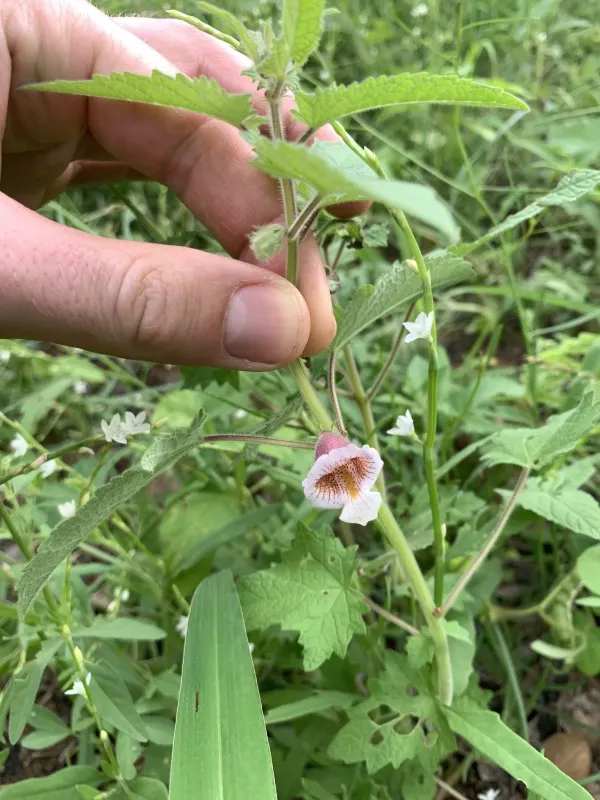
Description
Sowing dates
Ceratotheca sesamoides is an annual herbaceous plant belonging to the Pedaliaceae family. Seeds are sown directly into the soil once stable warm weather is established, as the crop is highly sensitive to cool temperatures during the early stages of development.
The optimal sowing time aligns with the beginning of the rainy season in tropical regions. Under irrigation, sowing can be conducted in the spring, provided soil temperatures remain above 20–25 degrees Celsius to ensure rapid and uniform germination.
The seeding rate varies depending on the cultivation method, averaging about 5–8 kg of seeds per hectare. Seeds should be planted at a shallow depth of no more than 1–2 centimeters to ensure adequate oxygen access for the sprouting seeds.
For mechanized farming, spacing between rows is recommended at 40–50 cm. This layout reduces competition for sunlight and nutrients between plants, promoting healthy vegetative growth throughout the season.
The period from sowing to the start of flowering typically ranges from 45 to 60 days, making the plant a relatively fast-maturing crop suitable for areas with shorter wet seasons.
Growing requirements
Originating from the tropical regions of West and Central Africa, this plant is well-adapted to hot and humid climates. The crop requires full sun exposure, as shading significantly reduces photosynthetic activity and overall yield potential.
While not overly demanding regarding soil type, it thrives best in light, well-drained loams or sandy soils. Waterlogging is detrimental to the root system, meaning fields with high groundwater levels should be avoided to prevent root rot.
The optimal soil pH range for growth is between 5.5 and 7.0. In acidic soils, liming is recommended to improve the availability of phosphorus and potassium, which are essential for developing high-quality oil-bearing seeds.
The crop demonstrates moderate tolerance to short drought spells; however, regular moisture is necessary during critical development phases, particularly during flowering and pod formation, to achieve maximum output.
Stable temperatures without drastic fluctuations between day and night are ideal, as thermal stress can lead to flower abortion and a significant reduction in total seed yield.
Yield
The yield potential of Ceratotheca sesamoides varies significantly based on management practices and environmental conditions. Under favorable conditions, seed yields can reach 800–1200 kg per hectare.
Seed oil content is a key quality metric. With proper nutrient management, the seeds accumulate a significant amount of high-quality vegetable fat, making them valuable for both culinary and industrial oil production applications.
Beyond the seeds, the young leaves are also edible and highly nutritious. In some regions, the plant is harvested specifically as a leafy vegetable, providing dual economic value from a single planting cycle.
Leaf biomass productivity can reach 2–3 tons per hectare with sufficient irrigation and organic fertilization. Harvesting of leaves can begin before the development of reproductive organs starts.
Achieving maximum yield requires selecting cultivars that are well-adapted to the local microclimate, emphasizing the need for preliminary variety trials before undertaking large-scale commercial cultivation.
Main diseases and pests
Ceratotheca sesamoides is generally hardy; however, under high humidity conditions, it may be susceptible to fungal diseases such as powdery mildew or various soil-borne root rots that affect overall plant health.
Common pests include insects that target the vegetative parts of the plant. Leaf-eating beetles and certain caterpillar species can significantly reduce the photosynthetic surface area, which in turn hinders seed development.
Aphids pose a major threat, particularly during the early growth stages, as they feed on succulent sap and may transmit viral diseases that are difficult to manage in field conditions.
Disease prevention strategies center on proper crop rotation, avoiding planting Ceratotheca on the same ground more than once every three years. This practice helps minimize the accumulation of soil-borne pathogens.
- Utilizing high-quality, disease-free seed stock.
- Implementing timely weeding to remove alternative hosts for pests.
- Ensuring soil aeration to discourage fungal proliferation in the root zone.
Harvesting
Harvesting should commence when the majority of seed pods turn brown but before they begin to shatter, ensuring that yield loss is kept to a minimum. Visual monitoring of pod maturity is essential for timing the harvest correctly.
In small-scale operations, harvesting is often done manually by cutting the apical portions of the stems containing the pods. These are then dried under shade until they reach full maturity before threshing occurs.
For mechanized systems, specialized harvesters are employed to handle the crop gently. Careful handling is required to prevent excessive impact that could cause premature pod shattering and seed loss in the field.
Post-threshing cleaning is performed using winnowing equipment to remove debris and dust. Proper cleaning is vital for storage longevity and the marketability of the seeds intended for oil extraction.
Stored seeds must be kept in dry, well-ventilated areas with moisture levels kept below 10%. This prevents spoilage and mold growth, preserving the fatty acid composition and quality of the oil.