
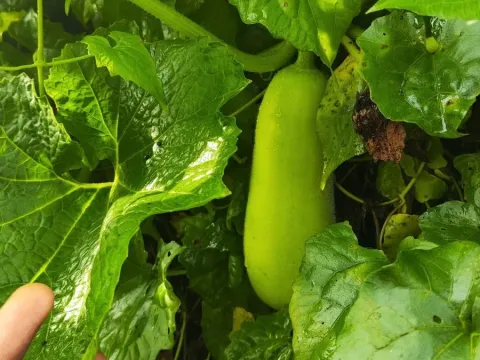
Wax gourd
Benincasa
Wax gourd is best propagated using seedlings in temperate climates to ensure a sufficiently long growing season. Sowing should occur in late April or early May to allow the plants to establish before transplanting.
What the section contains


Wax gourd
Seeds require a soil temperature of at least 20–22 degrees Celsius to germinate successfully. Using individual pots is highly recommended, as the plant does not tolerate root disturbance during transplanting.
The seedlings are ready for the field once the risk of frost has passed. Planting density should allow for significant vine development, with spacing of at least 1.5 meters between rows.
In tropical or warm subtropical regions, direct sowing is possible once the soil is sufficiently warm. Pre-soaking seeds in water can accelerate germination by breaking dormancy.
Adequate sunlight exposure at the seedling stage is critical to prevent etiolation and ensure the development of a strong root system before planting out.
As a member of the Cucurbitaceae family, the wax gourd is a thermophilic vine. It thrives in high temperatures and requires a long, frost-free period to reach maturity.
The crop prefers well-drained, fertile soil rich in organic matter. A pH range between 6.0 and 7.0 is optimal for nutrient uptake, particularly for nitrogen and potassium.
Consistent soil moisture is vital, especially during the flowering and fruit-setting phases. However, excessive moisture or waterlogging around the roots must be avoided to prevent pathogens.
Providing a trellis or support system is essential for commercial and home cultivation. Training vines upwards keeps the fruits off the ground, reducing the risk of rot and improving air circulation.
The plant benefits significantly from balanced fertilization, particularly with potassium, which enhances the quality and shelf life of the mature fruits.
A well-maintained wax gourd plant can produce several large fruits per season. Productivity depends on local climate conditions, pollination efficiency, and soil nutrient management.
The most distinctive feature of the wax gourd is its waxy cuticle, which acts as a natural preservative. When stored in a cool, dry place, these fruits can remain edible for up to 12 months.
Maximum yields are typically achieved when plants are trained on sturdy trellises, as this allows for optimal light penetration and reduced competition for space among the vines.
Regular harvesting of mature fruits encourages the plant to continue focusing its energy on fruit set, provided the weather remains warm enough for development.
Yield estimation should account for fruit size, which varies by cultivar; some varieties produce heavy fruits weighing up to 15 kilograms, while others are more compact.
The wax gourd is susceptible to common cucurbit diseases such as powdery mildew and various fungal blights. These are most prevalent in humid, stagnant air conditions.
Pests like aphids, mites, and cucumber beetles can damage the foliage and stunt plant growth. Integrated pest management, including biological controls, is highly effective.
- Promote good air circulation to reduce humidity levels around the foliage.
- Monitor for insect clusters on the undersides of leaves early in the season.
- Use mulching to prevent splash-borne fungal infections from the soil.
Root rot, often caused by overwatering, is a serious threat to younger plants. Ensuring the soil drains well is the primary defense mechanism against these issues.
Early identification of pest infestations allows for targeted management, preventing the need for broad-spectrum chemical interventions that could harm beneficial pollinators.
Harvesting should take place when the waxy bloom on the fruit skin is fully developed and the rind feels firm. This stage ensures that the fruit has reached its peak potential for storage.
Carefully cut the fruit from the vine, leaving a few centimeters of the peduncle (stalk) attached. Avoid grabbing the fruit by the peduncle alone to prevent detachment and physical injury.
Fruits intended for storage should be handled with extreme care to avoid scratching the waxy coating, as any damage can compromise the fruit's ability to resist decay.
In culinary applications, younger, smaller fruits can be harvested before the wax layer develops; these are tender and often used in various soups and stir-fry dishes.
Never allow fruits to remain on the vine during the first autumn frosts, as chilling injury will severely decrease the storage duration and quality of the crop.