
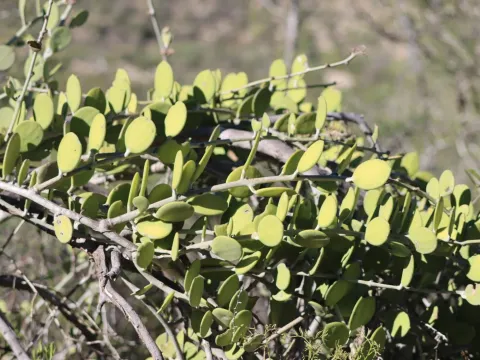
Xerosicyos
Xerosicyos
Xerosicyos is a distinct genus of succulent plants within the Cucurbitaceae family. Native to Madagascar, these plants are highly adapted to arid environments, possessing thickened, succulent leaves and stems that store essential water reserves for long periods of drought.
What the section contains


Xerosicyos
The cultivation of Xerosicyos requires a climate that avoids extreme cold and frost. The ideal temperature for active growth ranges between 20°C and 28°C. In the winter season, the plant enters a period of dormancy, during which it should be kept in a cooler environment, ideally above 15°C.
Soil composition is critical for the success of this crop. The substrate must be highly porous, consisting of a mix of coarse sand, perlite, and a small amount of peat. Good drainage is non-negotiable to prevent moisture buildup, which is the primary cause of root failure in this species.
Lighting requirements are high; these plants thrive under bright, indirect light or full sun exposure in the morning hours. Proper light levels are essential for maintaining the characteristic morphology of the plant and preventing the etiolation of the stems, which can weaken the structure.
Irrigation must be performed cautiously. It is best to water the plant only when the soil has completely dried out. In their natural habitat, these plants survive in rocky terrain with minimal soil depth, so their root systems are specialized for efficient but brief water absorption.
Root rot is the most significant pathological threat to Xerosicyos. This condition is almost exclusively caused by overwatering or the use of heavy, moisture-retentive soil mixes that do not allow the root system to breathe, leading to fungal colonization.
Mealybugs are the most common pests affecting this culture. These insects hide in the crevices of the stem joints and under the leaves, sucking the plant's sap and excreting honeydew, which can further attract secondary fungal infections like sooty mold.
Spider mites can also be problematic, especially in low-humidity environments. These microscopic pests damage the surface of the leaves, causing them to develop yellow spots and eventually wither or drop prematurely, hindering the plant's photosynthesis.
Prevention involves maintaining good airflow around the plant, which is vital for reducing humidity levels around the stems. Regularly inspecting the undersides of the leaves helps catch early infestations before they spread across the entire collection.
When chemical treatment is necessary, it is important to choose products specifically formulated for succulents, ensuring they do not contain oils or solvents that could damage the sensitive waxy coating of the foliage.