
Tindora
Benincasa fistulosa (Stocks) H. Schaef. & S. S. Renner
Description
Sowing dates
Tindora is an annual climbing vine belonging to the Cucurbitaceae family and is closely related to the wax gourd. In the tropical climates of India and South Asia, seeds are typically sown directly into the ground at the beginning of the monsoon season or in the spring.
Successful germination requires a stable soil temperature of at least 20–25 degrees Celsius. The optimal sowing time is determined by the arrival of consistent warmth, as the crop is extremely sensitive to frost and sudden drops in nighttime temperatures.
For regions with cooler climates, it is recommended to start seedlings in pots 3–4 weeks before transplanting them to their permanent location. This practice extends the growing season and ensures the plant receives necessary heat during its initial developmental stages.
Planting patterns should account for the vigorous growth of the vines; therefore, plants are spaced at least 60–90 centimeters apart. The use of trellises or nets optimizes space and significantly improves air circulation within the canopy.
Seeds should be planted at a depth of 2–3 centimeters in loose, nutrient-rich soil. It is crucial to avoid overwatering the substrate immediately after sowing to prevent seed rot before the seedlings emerge.
Growing requirements
The crop has high light requirements and thrives in well-lit areas protected from strong winds. Direct sunlight is essential for active photosynthesis and the proper maturation of the fruits.
Tindora prefers loose, fertile loamy or sandy soils with a neutral to slightly acidic pH level. Good drainage is a critical requirement, as waterlogging in the root zone can be lethal to the plant.
Consistent irrigation is necessary for full development, especially during the flowering and active fruiting phases. Soil moisture must be kept stable, avoiding prolonged periods of drought.
The plant responds well to organic fertilizers like well-rotted compost or manure added during bed preparation. Supplemental potassium and phosphorus during the budding period significantly enhance overall yield.
The temperature range for Tindora should remain between 25 and 35 degrees Celsius. At temperatures below 15 degrees, growth essentially halts, making it impossible to obtain a harvest in regions with short, cold summers.
Yield
The yield of Tindora depends on proper plant training and timely harvesting. With adherence to standard agricultural practices, a single plant can produce 15–20 high-quality fruits per season.
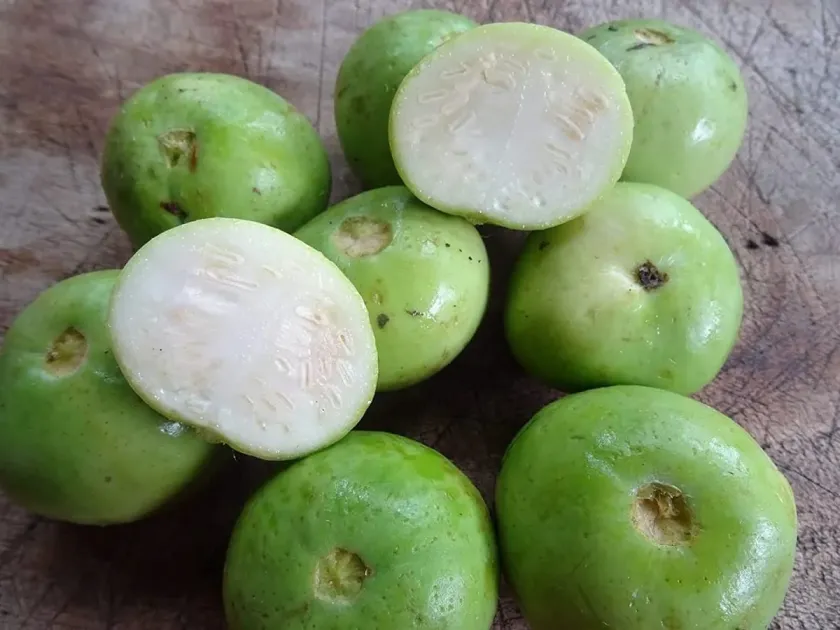
The fruits are small, typically oval-shaped, and are consumed while unripe, while the skin remains tender. Regular harvesting stimulates the production of new blossoms, which increases the total volume of produce.
Productivity is directly influenced by the number of pollinators in the garden. In greenhouses or tunnels, manual pollination may be necessary to ensure fruit set on all female flowers of the vine.
Culinary uses include a variety of stir-fries, vegetable curries, and soups. In Indian cuisine, Tindora is valued for its soft texture and ability to absorb complex spice aromas during cooking.
Proper care, including mulching the soil to retain moisture, helps maintain high productivity even during periods of extreme heat and atmospheric drought.
Main diseases and pests
Common diseases in Tindora are often linked to high air humidity, which triggers the development of powdery mildew. Upon initial signs of infection, biological fungicides should be applied, or affected foliage should be removed.
Pests such as aphids and spider mites pose the greatest threat, as they frequently attack tender leaves in dry weather. The use of insecticides during early stages helps to quickly control infestation hotspots.
Root rot can occur due to systematic overwatering and poor soil aeration. Prevention involves maintaining a strict watering schedule and preventing fruit contact with wet soil by using trellises to lift the vines.
Mole crickets and other soil-dwelling pests can damage the young root systems of seedlings. Using protective mesh barriers or eco-friendly repellents is essential for maintaining plant density.
Viral diseases transmitted by insects can also reduce yields significantly. Controlling insect vectors and maintaining overall plant immunity are the primary methods of protection at an agronomic level.
Harvesting
Harvesting Tindora begins 60–75 days after germination, depending on the cultivar and local climate conditions. It is important to harvest before the fruit becomes overripe, as the skin turns tough and culinary quality declines.
Fruits are harvested by hand using garden shears or a sharp knife, leaving a small portion of the stalk attached. Damaging the skin during harvest significantly reduces the shelf life of the produce.
Harvesting frequency should be 2–3 times per week during peak production. This keeps the plants in an active vegetative state and ensures a consistent supply of vegetables throughout the entire season.
After picking, the fruits should be stored in a cool place at 10–12 degrees Celsius. Temperatures that are too low, such as those in standard refrigerators, can cause skin discoloration and loss of marketability.
Transportation of Tindora requires caution due to the fragility of immature fruits. Using padded crates is recommended to prevent mechanical damage during transit to markets.