
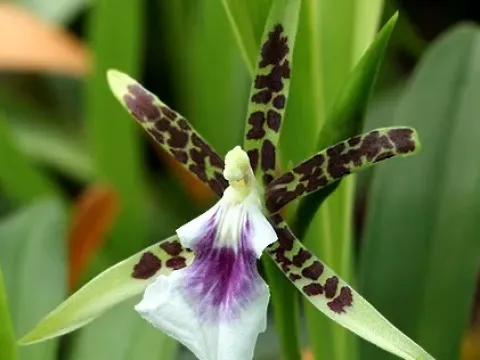
Aspasia
Aspasia
Aspasia is a genus of epiphytic orchids, not a traditional field crop, primarily grown in specialized nurseries for commercial ornamental purposes.
What the section contains


Aspasia
Propagation is achieved through vegetative division, separating the pseudobulbs during the transplanting phase to ensure plant vitality.
The optimal time for dividing the root system is immediately after the flowering cycle, which allows the plant to establish roots before the next growth spurt.
Cultivation requires specialized potting media, typically consisting of conifer bark and sphagnum moss to replicate the natural epiphyte environment.
Proper drainage is the most critical factor in planting, as the roots must breathe and should never remain submerged in standing water.
The culture requires a stable microclimate with moderate temperatures and a avoidance of extreme fluctuations between day and night.
Bright, indirect light is essential, as direct sunlight exposure can scorch the foliage and reduce the aesthetic value of the orchids.
Humidity levels should ideally be maintained between 60 and 80 percent to support the healthy development of pseudobulbs and leaves.
Watering should be managed carefully, allowing the medium to reach a slightly dry state between sessions to maintain root health.
During the active growing season, applying balanced, orchid-specific fertilizers is necessary to promote robust growth and consistent blooms.
The main threats to the plant often stem from poor cultivation practices, particularly overwatering, which leads to root rot diseases.
Spider mites are common pests that thrive in greenhouse environments with low humidity, causing damage to the epidermal layers of leaves.
Scale insects and mealybugs represent another significant risk, often hiding in crevices and siphoning essential plant sap.
Integrated pest management, including the use of systemic insecticides and fungicides, is crucial for protecting the health of the collection.
Proactive care involves regular inspections and ensuring proper air circulation to prevent the onset of fungal infections on delicate plant tissues.