
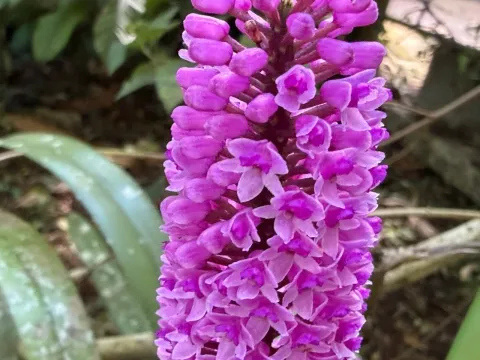
Arpophyllum
Arpophyllum
Arpophyllum is a genus of epiphytic orchids belonging to the Orchidaceae family. Native to the tropical regions of Mexico and Central America, these plants are renowned for their unique, dense, spike-like inflorescences. They grow primarily as epiphytes or lithophytes in humid mountain forests.
What the section contains

Arpophyllum
To grow Arpophyllum successfully, one must replicate its natural montane climate. The plants require moderate temperatures and a significant diurnal temperature variation, which is essential to trigger blooming. Maintaining consistent humidity levels of 60% or higher is crucial for preventing dehydration.
The choice of medium is critical for this crop. A porous mix consisting of fir bark, charcoal, and perlite provides the necessary aeration for roots. Since they are epiphytes, they do not tolerate waterlogged soil, which leads to immediate root decay and loss of vigor.
Lighting requirements are high compared to other shade-loving orchids. Arpophyllum needs bright, diffused light to thrive. During the summer, it is necessary to provide light shading during peak sun hours to prevent leaf scorching, which can permanently damage the plant's photosynthetic capacity.
In commercial and private cultivation, Arpophyllum is treated as a premium ornamental crop. It is highly valued in the orchid hobbyist market and for specialized greenhouse production. Proper spacing and airflow are required to ensure the uniform development of pseudobulbs and healthy root growth.
The main threats to Arpophyllum are fungal pathogens, specifically those causing root and crown rot. These issues are frequently the result of poor substrate drainage or overly damp conditions, especially during the dormant season.
Pest management focuses on controlling mealybugs and scale insects. These pests often congregate near the base of the pseudobulbs or within the leaf sheaths. Regular inspections are necessary to identify infestations before they become systemic.
Spider mites are common in greenhouses with low humidity. They sap nutrients from the leaves, causing them to lose their characteristic deep green color and eventually wither. Implementing a misting system can help deter these pests.
Viral infections can cause necrosis and mottling of the leaves. Because there is no cure for orchid viruses, sanitation is the only effective defense. Always sterilize cutting tools between plants to prevent the spread of pathogens.
Preventative care involves ensuring constant air circulation. A stagnant, humid environment is the perfect breeding ground for both pests and fungal spores. Using fungicides as a preventive measure during the rainy season is a common agricultural practice for this species.