
Aspasia silvana
Aspasia silvana
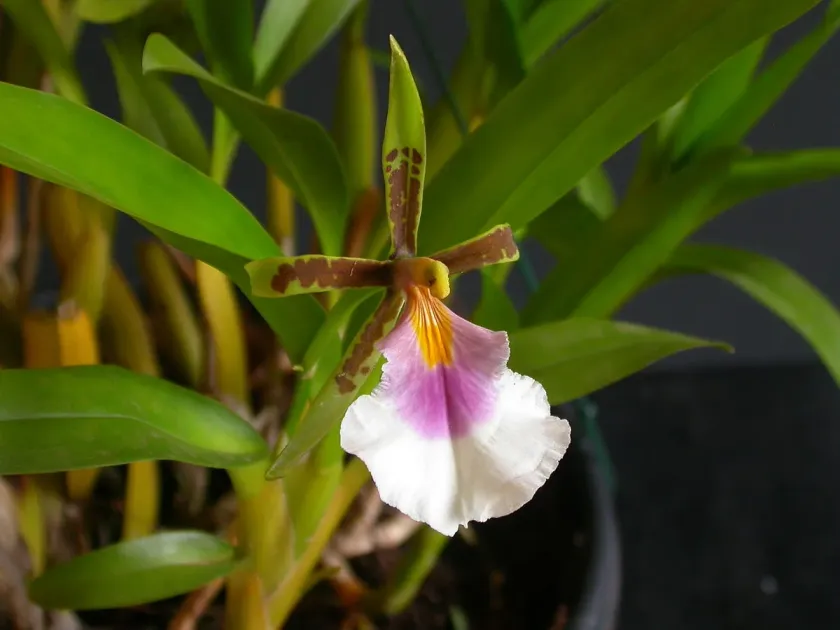
Description
Growing requirements
Aspasia silvana is an epiphytic orchid species belonging to the Orchidaceae family. Native to the Atlantic forest regions of Brazil, this plant requires specialized environmental conditions that mimic its tropical natural habitat to thrive in cultivation.
The culture is primarily grown in specialized epiphytic mediums, such as a mix of fir bark, charcoal, and perlite. This mixture ensures essential air circulation for the roots, as Aspasia species are highly sensitive to soil compaction and waterlogging.
Environmental conditions must include a high level of humidity, ideally between 60% and 80%. Temperatures should be maintained within a moderate range, avoiding extreme fluctuations that could induce stress or dormancy in the plant.
Light requirements are focused on bright, indirect sun exposure. In greenhouse settings, diffused lighting is achieved through the use of shade cloth, preventing the leaves from sustaining thermal damage during periods of high solar intensity.
Watering frequency should be adjusted based on the drying rate of the substrate. It is advisable to use rainwater or purified water to prevent the accumulation of minerals that can damage the delicate root system of the orchid over time.
Main diseases and pests
The primary threats to Aspasia silvana are fungal and bacterial infections, often triggered by poor ventilation and excessive moisture. These pathogens can rapidly destroy pseudobulbs if not addressed through sanitation and fungicide application.
Insect pests, including mealybugs and spider mites, are frequent challenges in the indoor cultivation of this orchid. These pests thrive in dry and stagnant air, making consistent monitoring and environmental management vital for prevention.
Chemical control must be applied with caution. Many orchid species have high sensitivity to certain solvents and synthetic compounds found in agricultural pesticides, requiring the use of diluted or orchid-safe formulas.
Integrated pest management strategies are recommended for long-term health. This includes the physical removal of pests, maintaining clean cultivation benches, and ensuring that new plant acquisitions are quarantined before being integrated into the main collection.
Overall plant vitality is the best defense against threats. Providing optimal nutrition, light, and airflow creates a resilient plant capable of resisting minor infections and maintaining its physiological functions throughout the growing season.