
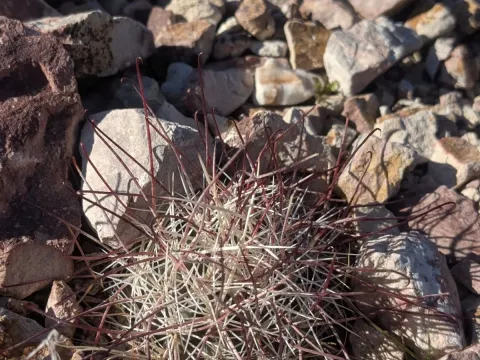
Ancistrocactus
Ancistrocactus
Sowing of Ancistrocactus seeds should be performed in early spring to capitalize on the increasing photoperiod and rising temperatures.
What the section contains


Ancistrocactus
Use a well-draining mineral-based substrate, such as a mix of pumice, coarse sand, and a small amount of peat moss for moisture retention.
Seeds should be sown on the surface of the moistened substrate and pressed down slightly without being covered by soil to ensure light penetration.
Maintain the seeds in a high-humidity environment using a plastic cover or glass lid, ensuring temperature stays between 22°C and 26°C.
Once germination begins, provide gradual ventilation to acclimatize the seedlings to ambient humidity and prevent fungal damping-off.
Ancistrocactus belongs to the family Cactaceae and thrives in environments that mimic its native arid habitats with high light intensity.
The substrate must be highly permeable to ensure that water does not remain near the root system for extended periods.
During the active growing season, water only when the growing medium is completely dry; in winter, stop watering almost entirely to induce dormancy.
Placement should be in a sunny spot, though shading may be necessary during the hottest part of the summer to prevent epidermis sunburn.
The plants are characterized by their hooked central spines, which provide natural protection and a unique decorative appearance.
Root rot is the most common condition affecting Ancistrocactus, usually caused by overwatering or poor soil drainage.
Spider mites are prevalent during dry, hot periods and can cause significant damage to the succulent tissue if left unchecked.
Mealybugs are another common pest that tends to hide deep within the areoles and between the dense spines of the cactus.
Preventative care includes maintaining good air circulation and inspecting the root neck regularly for any signs of discoloration or softening.
In case of pest infestation, treat the plant with appropriate systemic insecticides and ensure it is kept away from other healthy specimens.