
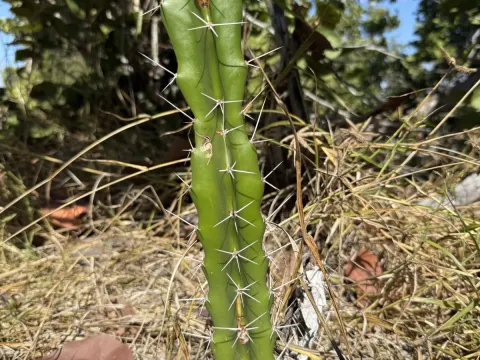
Acanthocereus
Acanthocereus
Acanthocereus is a genus of cacti in the family Cactaceae. These plants are characterized by their climbing or erect, branched stems, which often rely on supporting structures in their native forest or coastal environments.
What the section contains


Acanthocereus
The genus is native to tropical and subtropical regions of the Americas, including Florida, the Caribbean, Mexico, and northern South America. Due to its tropical origins, the plant requires consistent warmth and is highly sensitive to frost.
Agricultural success depends on providing a well-draining, porous soil mix that prevents water stagnation. The plant thrives in conditions that mimic its natural habitat, requiring porous substrates and excellent drainage capacity.
Adequate sunlight exposure is critical for the plant to maintain its structural integrity and reach reproductive maturity. In non-tropical regions, it must be grown in greenhouses where winter temperatures are kept above 12-15 degrees Celsius.
The fruit of Acanthocereus tetragonus is utilized as a food source, often referred to as a cactus apple. Beyond consumption, the plant is highly regarded in horticultural landscaping for its nocturnal, fragrant, and large white flowers.
Common pests affecting Acanthocereus include mealybugs and spider mites. These insects tend to thrive in dry conditions and can cause significant damage to the epidermis if infestations are not controlled promptly.
Root rot and stem rot are the primary pathological threats, usually induced by poor soil drainage or overwatering. Maintaining a balanced watering schedule and ensuring good air circulation are essential preventive agricultural practices.