
Ancistrocactus tobuschii
Ancistrocactus tobuschii
Description
Growing requirements
Ancistrocactus tobuschii is a fascinating species belonging to the family Cactaceae. Native to a very restricted range in the Edwards Plateau of Texas, this small, globe-shaped cactus is highly prized by collectors for its unique aesthetic and biological rarity.
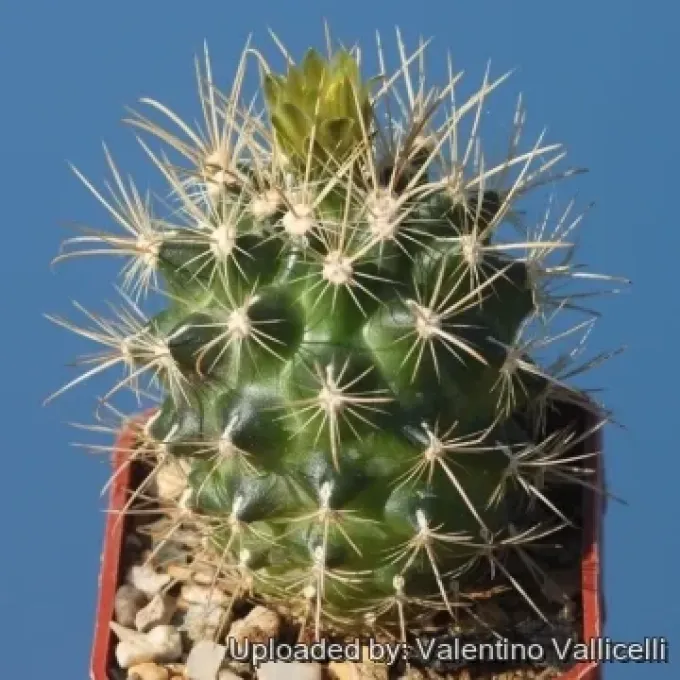
Botanically, the plant is characterized by its compact, solitary stem covered in tubercles. The distinct feature of this species is its recurved, hook-like central spines, which provide effective protection and contribute to the plant's structural complexity.
To successfully cultivate this species, one must replicate its natural habitat conditions. A highly porous, mineral-based substrate is essential. Use a mix of pumice, coarse sand, and crushed limestone to ensure perfect drainage and mimic the alkaline soil profile of its native home.
Sunlight requirements are quite high, as the plant needs intense light to maintain its compact growth habit and proper spine development. However, careful monitoring is required to prevent sunburn during peak summer hours, especially in greenhouse environments.
During the growing season, watering should be performed using the "soak and dry" method. It is crucial to allow the substrate to dry out completely before the next irrigation to prevent physiological stress and fungal issues related to overwatering.
Main diseases and pests
The primary threats to Ancistrocactus tobuschii in cultivation are related to improper moisture management, leading to crown or root rot. Once the roots are compromised, the plant struggles to recover due to its slow metabolism.
Pest infestations, particularly by mealybugs and spider mites, are common challenges for indoor growers. These pests can rapidly damage the epidermis, creating entry points for opportunistic bacterial and fungal pathogens.
Implementing a regular integrated pest management (IPM) program is recommended. This includes physical inspection, occasional mild soapy water treatments, and the use of targeted systemic insecticides when signs of infestation are first noted.
Ensuring proper air circulation is a critical prophylactic measure. Stagnant air environments provide a conducive atmosphere for rot and pest proliferation, significantly lowering the overall health of the specimen.
Lastly, winter dormancy is essential. By providing cool, dry conditions, the plant's defenses are bolstered, making it more resilient to potential threats during the more active growing season in the spring.