
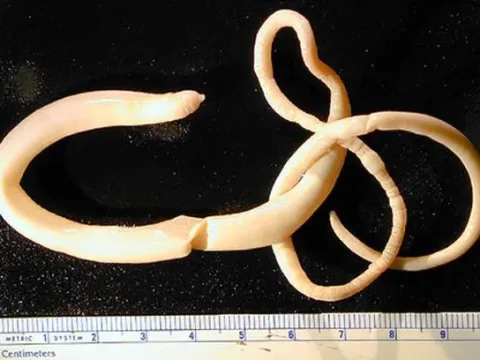
Acanthocephalans
Acanthocephala
It is crucial to clarify that Acanthocephala refers to a phylum of parasitic worms commonly known as thorny-headed worms. They are not agricultural crops, but rather biological agents that negatively impact animal husbandry and fisheries.
What the section contains


Acanthocephalans
These parasites are characterized by a retractable proboscis armed with curved hooks. They use this organ to anchor themselves into the intestinal walls of their vertebrate hosts, causing severe tissue damage and physiological stress.
The life cycle of these organisms typically involves an intermediate host, such as an arthropod or crustacean. Consumption of infected prey leads to infestation in fish, birds, or mammals, representing a major risk factor in commercial aquaculture.
Acanthocephalans lack a digestive tract entirely. Instead, they absorb nutrients directly from the host's digested material through their body wall, leading to significant nutritional deficiency and weight loss in the host animals.
Management of this biological threat requires rigorous hygiene standards, regular water testing in aquatic facilities, and the professional administration of anthelmintic treatments to manage population health.