
Aporodisocactus mallisonii
Aporodisocactus mallisonii
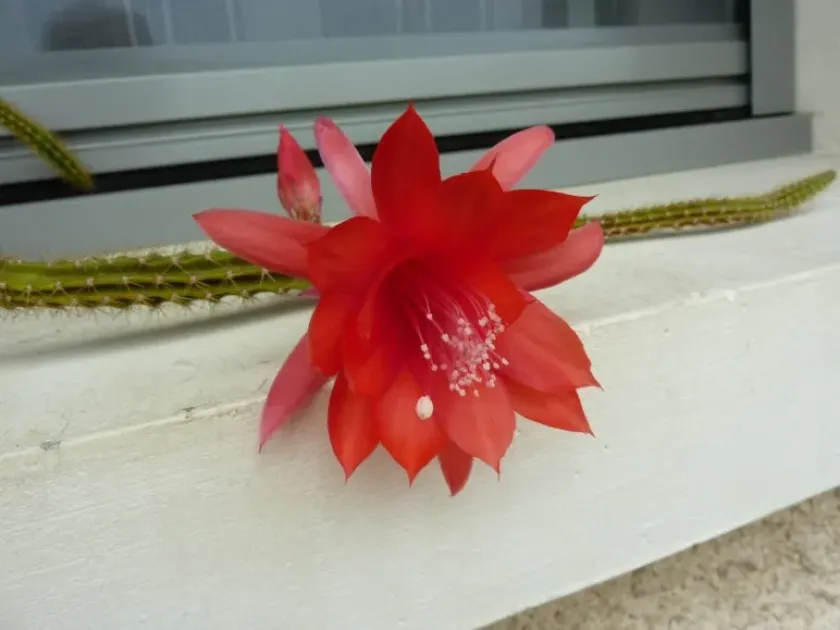
Description
Growing requirements
Aporodisocactus mallisonii is an intergeneric hybrid within the Cactaceae family, resulting from the cross-breeding of Aporocactus flagelliformis and Disocactus speciosus. This ornamental plant is known for its long, pendulous stems that produce large, showy, funnel-shaped flowers during the blooming season.
The culture thrives in bright, filtered light. While it appreciates high light intensity to promote structural integrity and flower development, direct midday sunlight must be avoided to prevent scorched stems, especially in high-temperature greenhouse environments.
Regarding soil requirements, the substrate must be highly porous and well-draining. A typical mix includes peat, coarse sand, perlite, and pine bark. This composition ensures that the root system receives adequate oxygen and avoids the accumulation of excess water, which is fatal for many epiphytic cacti.
Climate conditions play a crucial role in plant health. Aporodisocactus prefers warm days and cooler nights during the growing season. A distinct cooling period during the winter months, with temperatures kept between 10°C and 15°C, is essential to induce bud formation for the following year.
Watering should be managed based on the growth cycle. During active growth, the soil should be kept lightly moist, while during the winter dormancy, watering should be significantly reduced. Regular application of low-nitrogen liquid fertilizers promotes healthy growth and vibrant floral production.
Main diseases and pests
Spider mites are the most prevalent pest, particularly in environments with poor ventilation and low humidity. Regular inspections of the stem tissue are necessary, and prompt application of horticultural oils or miticides is recommended if infestations occur.
Root rot caused by fungal pathogens is a primary threat, typically triggered by improper drainage or excessive irrigation. Implementing a strict drying cycle between waterings and ensuring the use of sterile growing media are the most effective cultural controls against these threats.