
Ancistrocactus scheeri
Ancistrocactus scheeri
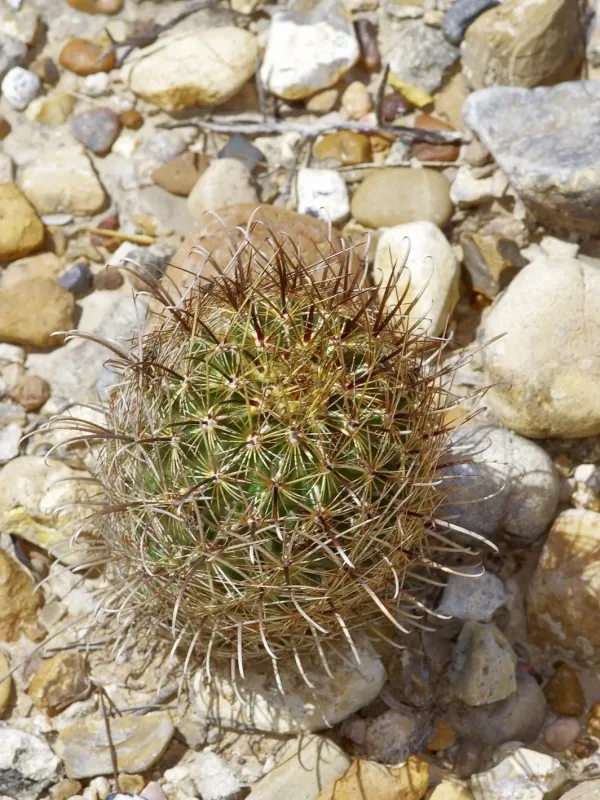
Description
Sowing dates
Ancistrocactus scheeri, a member of the Cactaceae family, is typically propagated via seeds during the early spring when day length and light intensity begin to increase.
Seeds are sown in a highly porous, sterile substrate mixture containing pumice, coarse sand, and a small amount of peat to ensure perfect drainage and aeration.
Maintaining a temperature range of 22 to 25 degrees Celsius is essential for optimal germination rates, which usually occur within several weeks after sowing.
Seedlings must be kept in a controlled humidity environment under clear covers until they develop their first set of characteristic spines, requiring gradual acclimation to drier air.
This species, native to the arid regions of Texas and Mexico, requires careful management of humidity levels to simulate its harsh but well-drained natural habitat.
Growing requirements
The primary requirement for this cactus is high-intensity sunlight, which is crucial for maintaining a compact, healthy stem structure and ensuring proper development of spines.
Soil composition should strictly follow the principles of mineral-based substrates, avoiding heavy organic matter that retains moisture and poses a high risk of root rot.
Watering protocols must be strictly adhered to: the soil should dry out completely between waterings, with significantly reduced water intake during the winter dormancy period.
The winter dormant season requires temperatures between 10 and 12 degrees Celsius to trigger the hormonal processes necessary for flowering in the following spring season.
Proper air circulation is necessary to mitigate the risks associated with high humidity and to prevent the colonization of the epidermis by pathogens or pests.
Main diseases and pests
Root rot is the most common and devastating issue for this species, almost always resulting from over-watering or the use of heavy, water-retaining soil mixtures.
Spider mites are prevalent in warm, dry environments and can cause significant surface damage, appearing as whitish or brown patches on the cactus stem.
Mealybugs are another frequent pest, often congregating in the dense network of spines or at the plant's apex, making them difficult to detect and eradicate early.
Etiolation, caused by insufficient light, ruins the aesthetic value and structural integrity of the plant, making it significantly more susceptible to environmental stresses.
- Use of systemic insecticides for pest control.
- Frequent inspection for early signs of fungal infection.
- Strict adherence to a dry winter rest period.