
Ampelopsis
Ampelopsis
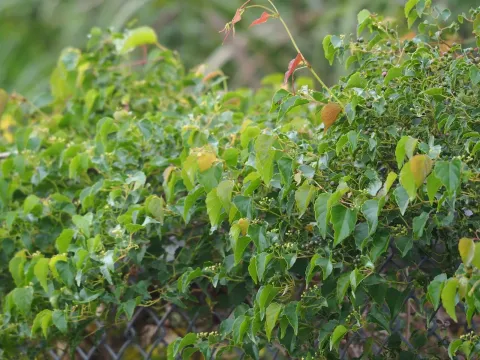
Ampelopsis is a genus of deciduous woody vines within the Vitaceae family. These plants are widely recognized for their rapid growth and are native to temperate regions of East Asia and North America.
What the section contains
 Aconite-leaf ampelopsis
Ampelopsis aconitifolia
Aconite-leaf ampelopsis
Ampelopsis aconitifolia
 Ampelopsis bodinieri
Ampelopsis bodinieri
Ampelopsis bodinieri
 Ampelopsis chaffanjonii
Ampelopsis chaffanjonii
Ampelopsis chaffanjonii
 Ampelopsis cordata
Ampelopsis cordata
Ampelopsis cordata
 Ampelopsis delavayana
Ampelopsis delavayana
Ampelopsis delavayana
 Ampelopsis leeoides
Ampelopsis leeoides
Ampelopsis leeoides
 Ampelopsis megalophylla
Ampelopsis megalophylla
Ampelopsis megalophylla
 Ampelopsis orientalis
Ampelopsis orientalis
Ampelopsis orientalis
 Ampelopsis rubifolia
Ampelopsis vitifolia
Ampelopsis vitifolia
Ampelopsis rubifolia
Ampelopsis rubifolia
Ampelopsis vitifolia
Ampelopsis vitifolia
 Japanese peppervine
Ampelopsis japonica
Japanese peppervine
Ampelopsis japonica
 Pepper vine
Ampelopsis arborea
Porcelain berry
Ampelopsis brevipedunculata
Pepper vine
Ampelopsis arborea
Porcelain berry
Ampelopsis brevipedunculata
 Porcelain berry
Ampelopsis humulifolia
Porcelain berry
Ampelopsis humulifolia
Ampelopsis
These vines thrive in fertile, well-draining soils with a slightly acidic to neutral pH. Providing a consistent moisture supply during the active growing season is crucial for the development of robust, healthy foliage.
Regarding climate, most Ampelopsis species are hardy and adaptable to various conditions. They generally prefer full sun to partial shade, which encourages the development of their characteristic decorative berries and vibrant autumn foliage.
The cultural maintenance of Ampelopsis involves installing sturdy trellises or supports for the vine to climb. Regular pruning is essential to manage its size, as the plant can become invasive if left unchecked in favorable environments.
Propagation is commonly achieved through hardwood or softwood cuttings taken during the dormant or active seasons. Proper site selection is vital to ensure the vine has adequate space to spread its photosynthetic surface area.
Ampelopsis plants are susceptible to common viticultural pests, including spider mites, which typically thrive during hot and dry spells by feeding on the sap of the leaves.
Powdery mildew is a significant fungal threat, especially in humid climates or where air circulation is restricted. The infection appears as a white, dusty layer on leaves, hindering photosynthesis.
Leaf spot diseases, caused by various fungal pathogens, can also affect the aesthetic value of the vine, particularly when moisture remains on the foliage for extended periods.
Effective management strategies include cultural practices such as thinning the canopy to improve airflow and selecting disease-resistant cultivars when available.
Chemical intervention should be considered only when infestations exceed economic or aesthetic thresholds, prioritizing products that minimize negative impacts on the local ecosystem.