
Ampelopsis rubifolia
Ampelopsis rubifolia
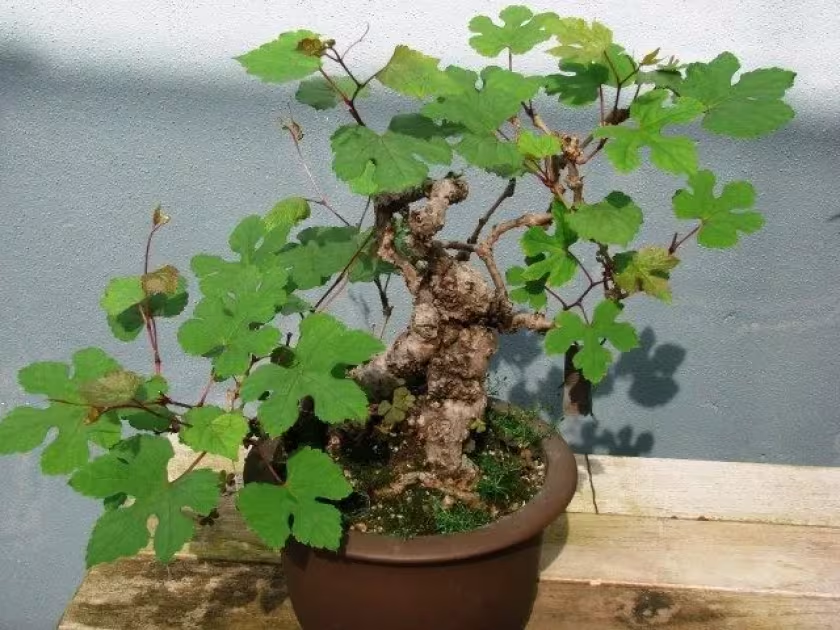
Description
Growing requirements
Ampelopsis rubifolia, a member of the Vitaceae family, is a vigorous deciduous vine native to Eastern Asia. It is highly valued in horticulture for its ornamental foliage, which displays distinctive reddish hues during the early stages of leaf development.
Botanically, the plant is characterized by its woody stems and tendrils, which allow it to climb structures with ease. The leaves are typically compound, adding a delicate texture to any vertical surface it covers.
Regarding cultivation requirements, the vine thrives in sunny to partially shaded environments. It performs best in nutrient-rich, moist, and well-draining soils. It is essential to ensure the planting site is sheltered from harsh winter winds to prevent damage to young, tender stems.
Cultural practices include regular irrigation during dry spells, particularly for younger plants, and the application of balanced fertilizers during the growing season to promote healthy, lush growth.
The plant is extensively used in landscape design to cover fences, walls, and trellises. Due to its climbing nature, it serves as an excellent solution for creating privacy screens or greening urban spaces in suitable climatic zones.
Main diseases and pests
The primary health threats to Ampelopsis rubifolia include fungal pathogens, such as powdery mildew, which can thrive in environments with poor air circulation and high humidity levels.
Pests that commonly affect this vine include spider mites and aphids. These insects tend to colonize the underside of leaves and young shoots, potentially causing stunted growth if not managed promptly.
To mitigate the risk of disease, it is recommended to maintain proper spacing between plantings. Ensuring that the foliage can dry quickly after rainfall or irrigation significantly reduces the incidence of fungal outbreaks.
When pests are detected, the use of horticultural oils or targeted insecticides can be effective. It is important to inspect the plant regularly, especially during the peak of the growing season.
Pruning is an essential maintenance task. By removing dead or crowded branches annually, gardeners can ensure better sunlight penetration and air movement, which are critical for the long-term health and vitality of the vine.