
Ampelopsis bodinieri
Ampelopsis bodinieri
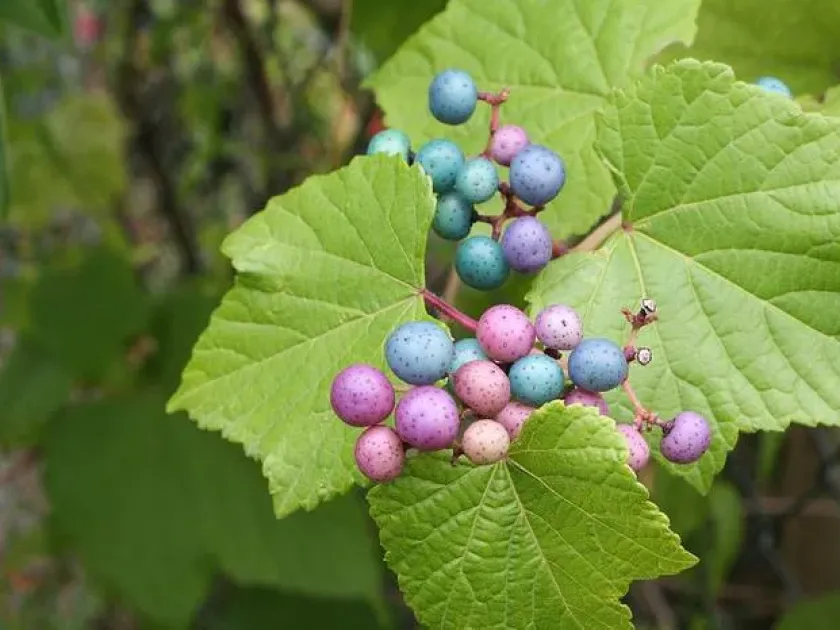
Description
Growing requirements
Ampelopsis bodinieri is a perennial woody climber belonging to the Vitaceae family, native to China. It is a highly valued ornamental plant known for its vigorous growth habit and its ability to cover vertical structures effectively using its tendrils.
The plant thrives in regions with moderate temperatures, showing good adaptability to various garden environments. It requires significant space for its sprawling stems and is best suited for trellises, fences, or large wall structures where it can display its foliage fully.
In terms of light, Ampelopsis bodinieri prefers sunny locations with partial shade during the peak of summer, which helps prevent leaf scorch and keeps the foliage lush. Exposure to consistent but filtered light is the ideal condition for its development.
Soil requirements involve a deep, well-draining, and nutrient-rich substrate. While it can handle various soil types, maintaining a neutral or slightly acidic pH level enhances nutrient availability and promotes healthy shoot formation throughout the growing season.
Maintenance involves routine pruning to manage the size and density of the vine, which is typically done in late winter or early spring before the buds break. Consistent watering is essential, especially during dry spells to ensure the roots remain hydrated.
Main diseases and pests
While generally robust, Ampelopsis bodinieri can be susceptible to powdery mildew under conditions of poor air circulation and high humidity. Ensuring proper spacing between plants is a critical preventive measure to maintain foliage health.
Spider mites are the most common pests, particularly during periods of intense heat and low rainfall. They feed on the sap and can lead to chlorosis and premature defoliation if left unchecked throughout the summer season.
Aphids can also occasionally infest the tender tips of new growth, causing curling and stunted leaves. Manual removal or the application of insecticidal soaps is usually effective if the infestation is caught early in the development stage.
Root rot remains a potential threat if the soil structure does not allow for efficient drainage. Waterlogged conditions must be avoided at all costs, as they quickly compromise the structural integrity of the root system and plant vigor.
Integrated pest management, which includes encouraging natural predators and regular monitoring, is the most sustainable approach for keeping this vine in peak condition. Healthy plants with optimal light and air are rarely bothered by major outbreaks.