
Ampelopsis orientalis
Ampelopsis orientalis
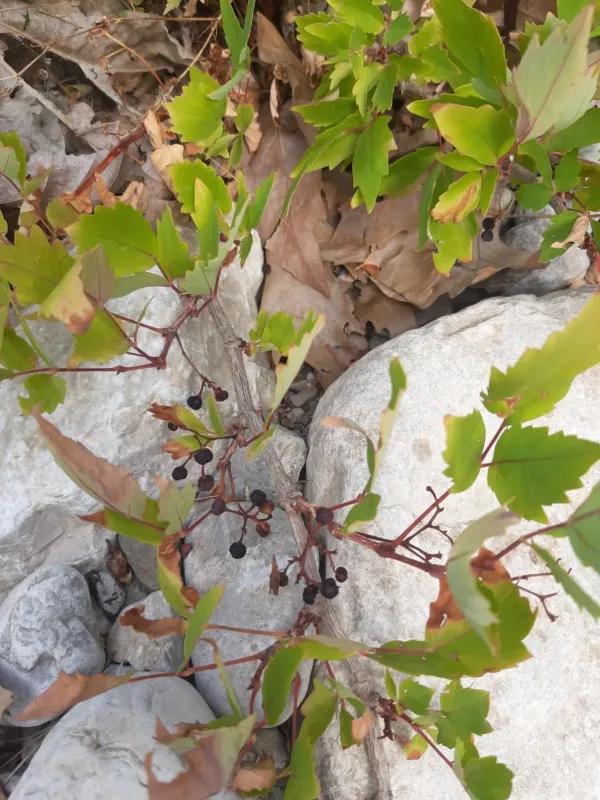
Description
Sowing dates
Ampelopsis orientalis is primarily propagated through vegetative cuttings, which is the most reliable method for maintaining consistent plant characteristics. Cuttings are best taken in early spring before active growth begins.
For seed propagation, cold stratification is essential to break dormancy. Seeds should be kept at temperatures between 1 and 5 degrees Celsius for several weeks prior to sowing in a sterile seed-starting mix.
Sowing in a greenhouse environment provides the best control over humidity and temperature, ensuring higher germination rates for the seeds.
Seedlings should be kept in protected conditions until they develop their first set of true leaves, after which they can be hardened off for transplanting into outdoor nursery beds.
Proper spacing is crucial when planting out to prevent overcrowding and ensure each young vine has enough space for initial root and foliage development.
Growing requirements
As a member of the Vitaceae family, Ampelopsis orientalis thrives in well-drained soils with a slightly acidic to neutral pH level. It is a vigorous climber that benefits significantly from a sunny location.
The plant demonstrates a preference for loamy soil types rich in organic matter. While it is adaptable, it performs best when protected from extreme, drying winds.
Watering requirements are moderate; however, young plants need consistent moisture to establish their root systems during their first year of growth.
Supporting structures are necessary for the vine to reach its full potential. Sturdy trellises or fences allow the tendrils to attach and climb effectively, creating a dense green wall.
Periodic fertilization with balanced nitrogen-phosphorus-potassium fertilizers encourages healthy foliage growth and enhances the overall vigor of the plant throughout the growing season.
Yield
In landscape gardening, the productivity of Ampelopsis orientalis is measured by its rapid vertical growth and the coverage it provides. It is an ideal plant for screening and aesthetic improvement.
Its ability to cover vast surface areas quickly makes it a valuable asset for commercial and residential landscaping projects where rapid results are desired.
Beyond its foliage, the plant adds seasonal interest with its berry production, which serves as a decorative element and provides habitat for local bird species.
The plant is resilient in urban settings, showing good tolerance for moderate air pollution, which adds to its value as a landscaping crop in city environments.
Regular maintenance, including annual pruning, is the key to managing its growth and ensuring the vine remains both healthy and attractive for years to come.
Main diseases and pests
Ampelopsis orientalis may be susceptible to powdery mildew, especially in areas with stagnant air or high humidity levels, which can lead to fungal growth on leaves.
Pests such as aphids and spider mites can occasionally cause damage by feeding on the tender young leaves, leading to stunted growth or disfigurement.
Effective management includes good garden sanitation, such as removing fallen leaves at the end of the season to prevent the overwintering of pathogens.
Early detection through frequent monitoring allows for prompt intervention using biological controls or approved pesticides, minimizing potential damage to the plant.
- Ensure adequate airflow through strategic pruning.
- Monitor for early signs of mite webbing or aphid clusters.
- Apply preventative organic fungicides if conditions become overly humid.