
Aconite-leaf ampelopsis
Ampelopsis aconitifolia
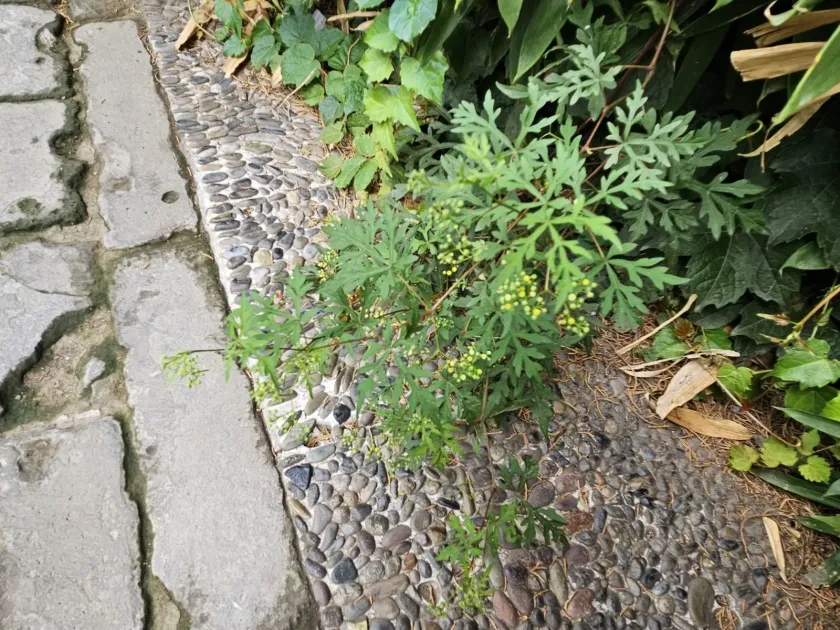
Description
Sowing dates
Propagation of Ampelopsis aconitifolia is most effective through cuttings. Hardwood cuttings are typically taken in late autumn or early spring before the buds begin to swell to ensure successful rooting.
When planting, choose a site with well-draining soil and sufficient space for the root system to expand. Spring planting is recommended to allow the plant to establish before the arrival of cold weather.
Seed propagation is also possible but requires stratification. Placing seeds in a cold environment for several weeks mimics winter conditions and significantly improves germination rates in the spring.
After transplanting to a permanent location, regular watering is essential during the first growth season. This helps the young plant develop a deep and resilient root structure.
As a member of the Vitaceae family, this vine is a vigorous grower. Ensure it is planted near a sturdy support system, such as a trellis, fence, or arbor, to guide its growth upwards.
Growing requirements
The plant thrives best in sunny or partially shaded locations. While it is adaptable to various light conditions, full sun often enhances the intricate, finely-cut appearance of the leaves.
Ampelopsis aconitifolia prefers fertile, humus-rich soil with a neutral pH. It is important to avoid waterlogged areas, as the roots are sensitive to excessive moisture which can cause decay.
Climate adaptability is one of its strengths, as the vine is winter-hardy in many temperate regions. However, young specimens should be mulched around the base to protect them from severe frost.
Maintenance pruning is vital for this species. Removing dead wood and trimming back overly aggressive growth helps keep the vine within its designated area and promotes healthy foliage production.
During the growing season, applying a balanced fertilizer can support robust leaf growth. Consistent care ensures the plant remains an attractive element of the landscape throughout the year.
Main diseases and pests
While generally hardy, the Aconite-leaf ampelopsis can be susceptible to powdery mildew. This fungal disease is often caused by poor air circulation or high humidity within the dense foliage.
Anthracnose may occur in wet, humid climates, manifesting as dark spots on leaves and stems. Proper spacing and avoiding overhead watering are key strategies for prevention and management.
Pests like spider mites and aphids may infest the vine, especially during hot and dry spells. These pests damage the foliage, leading to yellowing and stunted growth if left unmanaged.
Integrated pest management, including the use of neem oil or insecticidal soaps, is highly effective for controlling minor infestations without negatively impacting the surrounding environment.
Regular monitoring of the vine for early signs of distress is the most effective way to prevent widespread damage. Keeping the area free of leaf debris in autumn also helps reduce potential pathogen buildup.