
Porcelain berry
Ampelopsis humulifolia
Description
Growing requirements
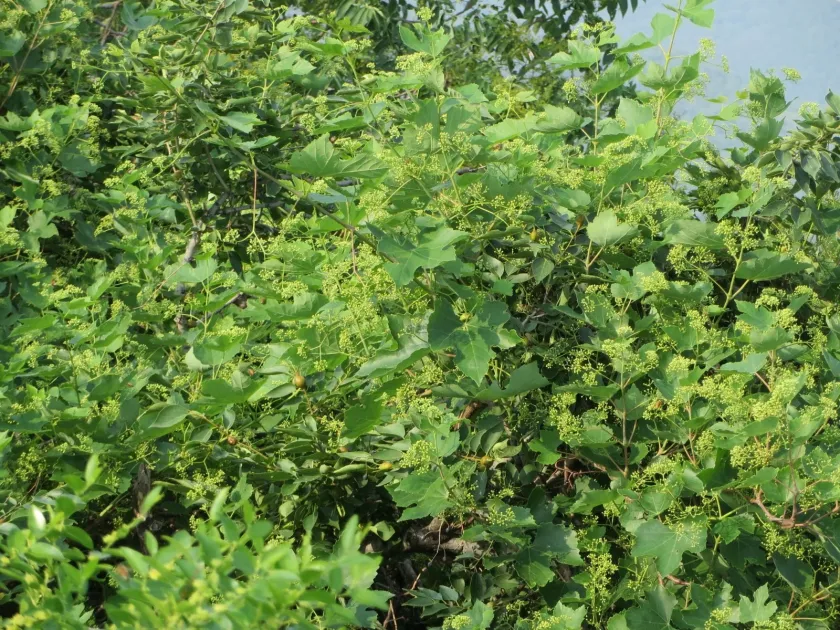
Porcelain berry (Ampelopsis humulifolia) is a perennial deciduous vine belonging to the grape family (Vitaceae). Native to East Asia, including China, Korea, and Japan, this climbing plant is highly valued in horticulture for its vigorous growth and unique, hop-like foliage.
The botanical structure of this species features woody stems and tendrils that allow it to climb up to several meters. The leaves are typically three- to five-lobed, providing excellent vertical coverage for fences, trellises, and other garden structures.
This crop thrives in fertile, well-drained soils with consistent moisture levels. While it is adaptable, it performs best in locations where water drainage is efficient, preventing the risk of root rot that can occur in waterlogged or heavy clay environments.
Ideal planting sites include semi-shaded areas or spots with filtered sunlight. While it can tolerate exposure to full sun, gardeners must ensure adequate soil hydration during the peak of summer to prevent leaf scorch and ensure healthy leaf development throughout the season.
The agrotechnical maintenance of this vine involves installing robust supports and performing annual pruning. Pruning should be carried out in early spring to shape the plant, remove dead wood, and encourage denser growth for the coming season.
Main diseases and pests
Porcelain berry is generally a robust plant, yet it can be susceptible to powdery mildew under conditions of high humidity and poor air circulation. Proper spacing and thinning out dense growth are key strategies to minimize the risk of such fungal issues.
Spider mites are the most common pests, particularly during hot and dry summer months. These pests feed on the leaves, causing discoloration and leaf drop, which necessitates regular monitoring and the use of targeted miticides if an infestation is detected.
Leaf-eating insects, such as beetles, may occasionally attack the foliage. While these infestations are rarely fatal, they can significantly reduce the ornamental value of the vine, requiring prompt intervention with organic or synthetic insecticides as appropriate.
Root rot remains a concern if the plant is grown in soil with poor drainage, often caused by pathogenic fungi present in stagnant water. Maintaining soil health through cultivation and ensuring a balanced watering schedule are essential preventative measures.
Sanitation is a vital aspect of pest and disease management for this vine. Regularly clearing away debris, fallen leaves, and weeds around the base of the plant helps create an environment less hospitable to common garden pathogens and harmful insects.