
Ampelopsis leeoides
Ampelopsis leeoides
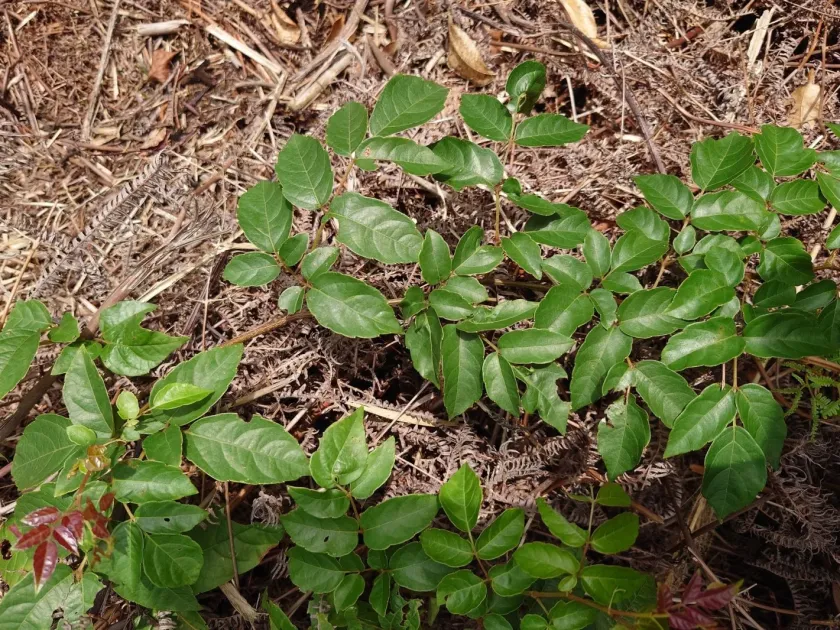
Description
Growing requirements
Ampelopsis leeoides is a robust perennial vine species belonging to the Vitaceae family. Characterized by its unique foliage, this plant is primarily utilized in horticulture for its ornamental value in covering fences, walls, and arbors within temperate garden designs.
Originating from the forest regions of Eastern Asia, specifically China, this species thrives in environments that mimic its natural habitat. It prefers temperate climates and demonstrates a moderate level of cold hardiness, provided the root system is adequately protected during the first winters.
The cultivation of this vine requires well-drained, nutrient-rich soils. While it can adapt to various soil types, loamy soils that hold moisture without becoming waterlogged are ideal. Incorporating organic matter during planting significantly enhances the vigor of the plant.
Light requirements are a critical factor for success; Ampelopsis leeoides flourishes best in partial shade. While it can withstand bright light, exposure to scorching afternoon sun without adequate irrigation may cause the leaf margins to burn and reduce overall aesthetic quality.
Maintenance involves regular pruning to keep the vine within its intended space, as it possesses an aggressive climbing habit. Providing sturdy trellis structures or wire support is essential for the plant to demonstrate its natural climbing architecture and leaf display.
Main diseases and pests
Common pests include spider mites and aphids, particularly during dry spells. Regular inspection of the underside of leaves is recommended, followed by the application of horticultural oils or insecticidal soap if pest populations reach damaging thresholds.
Diseases such as powdery mildew are common in crowded conditions with poor air circulation. To minimize risks, ensure adequate spacing between plants and avoid overhead watering in the evenings. Using appropriate fungicides can help manage outbreaks if they occur during humid seasons.