
Ampelopsis megalophylla
Ampelopsis megalophylla
Description
Growing requirements
Ampelopsis megalophylla is a robust deciduous climbing plant belonging to the Vitaceae family. Native to the mountainous regions of Western China, it is highly valued for its vigorous growth and distinctively large, complex foliage.
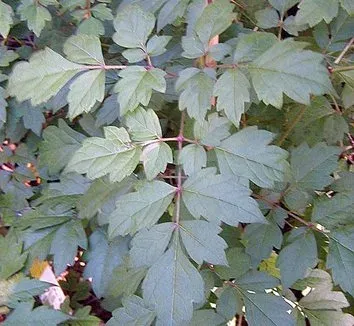
The plant features pinnate leaves that can reach a significant size, providing dense, lush coverage. It climbs effectively using tendrils, making it an excellent choice for vertical structures like fences, pergolas, and garden walls.
To thrive, this species requires fertile, moist, yet well-drained soil. It prefers partial shade to full sun but performs best when sheltered from drying winds, which can damage the large leaves and tender new growth.
The plant demonstrates moderate winter hardiness. While mature plants are quite resilient, young specimens should be mulched or covered in areas experiencing severe winter temperatures to protect the root zone.
In landscaping, it is primarily used for ornamental purposes. Its ability to create a deep, textured green canopy makes it ideal for screening unsightly areas or adding architectural beauty to garden spaces.
Main diseases and pests
While generally considered a hardy plant, Ampelopsis megalophylla can be susceptible to typical Vitaceae issues such as powdery mildew, especially in humid and poorly ventilated environments.
Prevention is the best strategy for disease management. This includes proper pruning to ensure air circulation and avoiding overhead watering, which creates the perfect conditions for fungal spores to spread.
Insect pests such as spider mites and aphids may occasionally attack the foliage, particularly during dry spells or if the plant is grown in unfavorable microclimates.
If an infestation is detected, regular monitoring and the use of targeted horticultural soaps or appropriate insecticides are recommended to maintain plant vigor and prevent widespread damage.
Maintaining a healthy, well-fed plant is crucial. Providing proper fertilization and irrigation helps the vine develop natural resistance against various pests and environmental stressors throughout the growing season.