
Japanese peppervine
Ampelopsis japonica
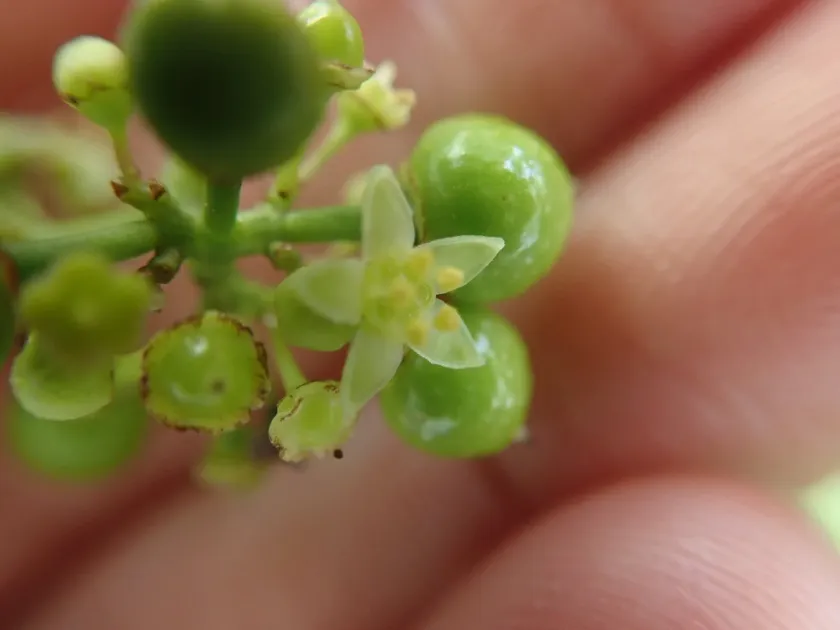
Description
Growing requirements
The Japanese peppervine (Ampelopsis japonica) is a vigorous deciduous climber belonging to the Vitaceae family. Its native range encompasses the diverse landscapes of East Asia, primarily China, Korea, and Japan.
This species is highly valued for its elegant, deeply dissected foliage and its ability to cover large vertical surfaces rapidly. It utilizes tendrils to climb and attach itself to various architectural supports.
To thrive, the plant requires fertile, well-draining soil with a pH ranging from neutral to slightly acidic. Providing a sunny or partially shaded location is essential for maintaining robust growth and healthy coloration.
Watering requirements are moderate; however, the plant benefits from consistent moisture during the establishment period. Once rooted, it shows reasonable tolerance to fluctuating environmental conditions.
Landscape use is primary for this vine, as it is often utilized to cover pergolas, trellises, and garden walls. Its ornamental fruit, which changes color as it matures, adds significant visual interest to the autumn landscape.
Main diseases and pests
Powdery mildew is a common fungal threat for Ampelopsis japonica, especially in humid conditions with poor air circulation. Improving ventilation around the foliage helps prevent outbreaks.
Spider mites are the most frequent pests, particularly in hot and dry climates. Occasional misting of the leaves can create an environment less favorable for these small arachnids.
Aphids might colonize the tender spring growth. If infestations occur, horticultural soap or other mild insecticides are typically effective in managing the population.
Root rot, driven by waterlogged soil, can severely impact plant health. Ensuring proper landscape drainage during the initial site preparation is a critical step for longevity.
Regular maintenance, including the pruning of dead or diseased wood during the dormant season, is necessary to keep the plant vigorous and to limit potential pathogen spread.