
Pepper vine
Ampelopsis arborea
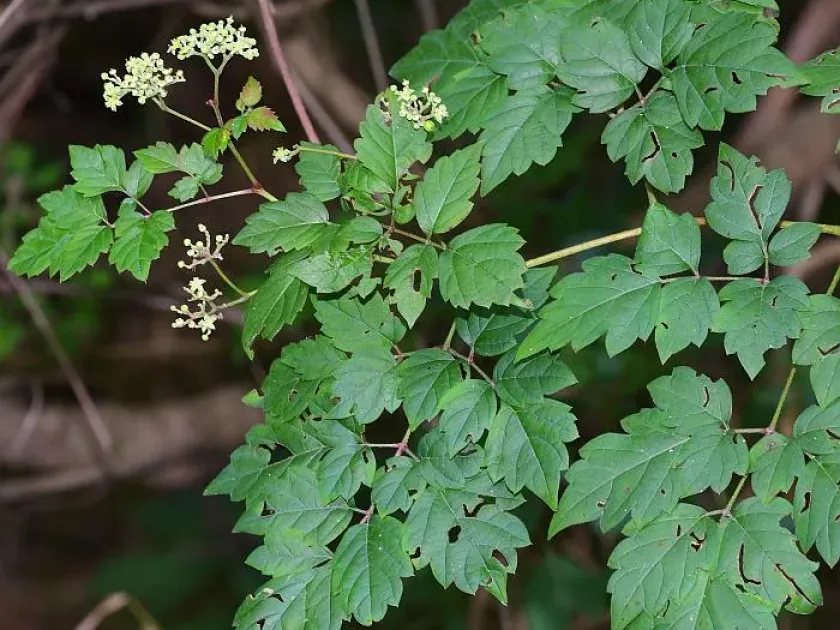
Description
Growing requirements
Pepper vine (Ampelopsis arborea) is a vigorous deciduous perennial climber belonging to the Vitaceae family. Native to the southern United States and parts of South America, this plant is well-known for its adaptability to diverse moist habitats including riverbanks and woodlands.
This species thrives in locations with full sun to partial shade, showing great resilience in varied climate conditions. While it is hardy in many zones, it prefers protected spots to ensure rapid growth and to safeguard its foliage from damage caused by harsh winter winds.
The plant is not overly fussy about soil, but it performs best in rich, moist, and well-drained loamy soils. Ensuring the planting site does not suffer from waterlogging is key to maintaining the long-term health of the root system and preventing chlorosis.
As a climbing vine, Ampelopsis arborea requires sturdy supports like fences, arbors, or trellises to display its ornamental potential fully. Routine pruning is recommended to manage its size, as the plant can be quite aggressive in ideal environmental conditions.
Propagation is primarily achieved via stem cuttings or seeds collected from ripe berries. For gardening purposes, stem cuttings taken in the late spring or summer offer the most predictable results, allowing for consistent growth patterns across all specimens.
Main diseases and pests
The primary botanical concern for the pepper vine is powdery mildew, which often appears during periods of high humidity and poor air circulation. This fungal issue can cause unsightly leaf discoloration and reduced plant vigor if left unchecked.
Insect pests such as spider mites and aphids are frequently found on this vine, especially in hot and dry climates. Spider mites, in particular, can cause significant damage by piercing leaf tissues and extracting vital plant fluids.
Integrated pest management, including the use of neem oil or insecticidal soaps, is highly effective for controlling these threats without harming beneficial pollinators. Monitoring the undersides of leaves during the peak growing season is recommended.
Maintaining proper spacing between plants is essential to minimize the spread of soil-borne pathogens and ensure that sunlight reaches the inner parts of the foliage. This simple practice significantly lowers the need for intensive chemical interventions.
Pruning out dead or congested branches helps keep the plant canopy open and resilient. Following a strict cleaning regime after the growing season prevents the overwintering of pests and fungal spores within the debris surrounding the base of the plant.