

Dublon Gold
ЗАТ Фірма Август, Росія.,селище Вурнари,
Herbicides
2
2
·
5.4K
6 offers
117.01 €per 1 l
Buy
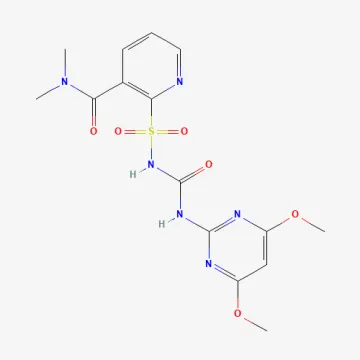
Nicosulfuron is a herbicide belonging to the sulfonylurea chemical class. It acts as a systemic agent, rapidly absorbed by the leaves and stems of plants and translocated via the phloem and xylem to meristematic tissues.
The mode of action is based on the inhibition of the acetolactate synthase (ALS) enzyme. Blocking this enzyme stops the synthesis of essential amino acids such as valine, leucine, and isoleucine.
As a result of these metabolic disruptions, plant cell division ceases, leading to the rapid arrest of growth within just a few hours after application.
Complete plant mortality is typically observed within 2 to 3 weeks, although competition with the crop is significantly reduced immediately after treatment.
Selectivity for corn is achieved through the crop's ability to rapidly metabolize nicosulfuron into non-toxic compounds, ensuring the safety of the harvest.
This active ingredient is designed for post-emergence control of a wide range of annual and perennial grasses, as well as several broad-leaved weed species.
Key target weeds include quackgrass, green and yellow foxtail, barnyard grass, Johnsongrass, and crabgrass, which are major competitors for nutrients in corn fields.
Nicosulfuron is particularly valued for its efficacy in controlling persistent perennial grasses that propagate through rhizomes, which are difficult to manage otherwise.
Broad-leaved weeds are often controlled only partially, leading to the common practice of tank-mixing nicosulfuron with other herbicides to broaden the spectrum of action.
The efficacy of the treatment is highly dependent on the growth stage of the weeds, with the highest susceptibility found in young plants at the 2- to 4-leaf stage.
The standard application rate of nicosulfuron generally ranges from 40 to 80 grams of active ingredient per hectare, depending on weed density and species composition.
The optimal application window for corn is between the 3- and 6-leaf stages, although many regulations allow for application up to the 10-leaf stage of the crop.
For fields with heavy infestations of perennial grasses, producers are encouraged to use the maximum registered application rate to ensure total control of the root systems.
The inclusion of surfactants or adjuvants in the spray solution is standard practice to enhance the spreading and penetration of the herbicide into the plant cuticle.
Treatment should be performed under favorable weather conditions, with temperatures ranging from 15°C to 25°C to maintain high metabolic activity in the weeds.
Nicosulfuron should not be applied to corn fields recently treated with organophosphate insecticides, as this may result in severe phytotoxicity and injury to the crop.
Application must be avoided if the corn crop is under stress due to factors such as drought, frost, pest damage, or waterlogging, as the plant's ability to detoxify the chemical is reduced.
When planning crop rotation, it is essential to check the residual activity of the chemical in the soil to prevent damage to sensitive follow-up crops in the next season.
Proper cleaning of spray equipment is mandatory after every application to prevent cross-contamination and unintended damage to non-target crops during future use.
To delay the development of weed resistance, it is recommended to implement herbicide rotation programs, utilizing products with different modes of action.
Approved in the EU
EU status is for reference only and does not replace national registration in your country.


