
Stenocarpella maydis
Stenocarpella maydis
Stenocarpella maydis (formerly known as Diplodia maydis) is a destructive fungal pathogen belonging to the phylum Ascomycota, family Botryosphaeriaceae.
What the section contains
Stenocarpella maydis
It is the primary causative agent of Diplodia ear and stalk rot in maize, recognized worldwide as a significant threat to corn productivity.
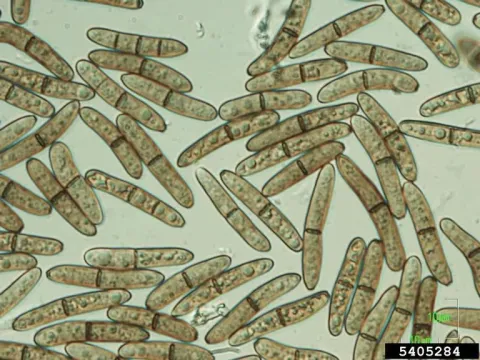
The fungus produces small, black, globose pycnidia embedded in the host tissue, where two-celled conidia are formed to initiate new infection cycles.
The mycelium of the pathogen is robust, capable of surviving for several years within crop residues, making it a persistent threat in continuous corn systems.
This pathogen specifically adapts to the maize environment, utilizing various tissues for nutrient acquisition and as a substrate for its asexual reproductive structures.
The pathogen primarily attacks maize, causing extensive damage to stalks, ears, and roots, often resulting in significant yield losses and reduced grain quality.
Stalk rot caused by S. maydis leads to premature senescence, weakening of the stem, and severe lodging, which hinders harvesting operations.
When the ears are infected, the fungus colonizes the kernels, reducing their weight, starch content, and overall nutritional value for feed or processing.
Heavy infection can lead to the total loss of the ear, turning it into a mummified mass of fungal tissue, unsuitable for any commercial use.
Beyond physical damage, the fungus may produce mycotoxins that can adversely affect livestock health if infected grain is used in feed mixtures.
Infection cycles typically begin during the silking stage of corn, when spores are spread by wind or splash dispersal from infested crop debris.
The fungus thrives during late-season warm and wet weather, with temperatures ranging from 25°C to 30°C being optimal for rapid mycelial colonization.
Periods of high humidity during the grain-fill stage significantly increase the incidence and severity of ear rot infections across the field.
The pathogen remains latent in the soil and on corn stalks, re-emerging to infect the next season's crop whenever environmental conditions become favorable.
Early-season stress or late-season moisture levels play a critical role in determining the intensity of the disease development during the vegetative period.
Visible symptoms include the development of a white, dense, cottony mycelium that covers the kernels and the inner husks of the ear.
Infected stalks show internal tissue degradation and the appearance of numerous minute black pycnidia on the lower internodes near the soil surface.
Ear husks on infected plants may appear bleached, dry, and brittle prematurely, indicating that the fungus has interrupted the plant's vascular flow.
Kernels infected with S. maydis often look dull, grayish, and shriveled, with the infection spreading rapidly from the base of the ear towards the tip.
- Dense white fungal growth on ears.
- Black pycnidia on stems and cobs.
- Premature bleaching of ear husks.
- Reduced kernel weight and density.
Crop rotation is the most effective cultural practice, as avoiding continuous corn planting reduces the inoculum density of the fungus in the field.
Tillage practices that incorporate crop debris deep into the soil help accelerate the decomposition process and minimize surface inoculum exposure.
The use of resistant or tolerant maize hybrids is essential for managing the disease in areas with a history of high infection pressure.
Treating seeds with appropriate fungicides provides protection during the germination stage, preventing potential systemic infection from the soil.
Ensuring timely harvest and mechanical drying of grain to low moisture levels is crucial to stopping fungal progression during storage and maintaining market value.