
Stenocarpella zeae
Stenocarpella zeae
Description
How to identify
Stenocarpella zeae (formerly known as Diplodia maydis) is a significant fungal pathogen belonging to the order Sphaeropsidales. It is the primary cause of Diplodia ear and stalk rot in maize crops worldwide.
The fungus reproduces via pycnidia, which are small, dark fruiting bodies that develop on infected maize stalks and cob husks. These structures house conidia, the spores responsible for spreading the infection during the growing season.
The pathogen thrives in environments with warm temperatures and high humidity, particularly during the silking stage of corn development. Spores are primarily dispersed by wind and rain splashes from crop debris.
Stenocarpella zeae is known for its ability to persist in the soil and on crop residues for several years. This survival strategy makes it a persistent challenge in fields where reduced tillage or continuous corn cropping is practiced.
Once it encounters a susceptible host, the fungus uses its mycelium to penetrate plant tissues. It moves systemically through the plant's vascular system, causing structural damage and interrupting nutrient flow.
What it damages
Maize (Zea mays) is the main host for Stenocarpella zeae. The fungus affects all major plant components, including the stalks, leaf sheaths, roots, and most importantly, the developing grain cobs.
The economic impact is primarily due to significant yield losses. Infected ears are often shriveled, and the grain weight is drastically reduced, leading to lower market quality and reduced feeding value.
Stalk rot causes the lower internodes of the maize plant to weaken and soften. This instability makes the plants prone to lodging, which complicates mechanical harvesting and leads to further loss of the yield.
In addition to yield loss, the infection can impact seed quality, as infected grains may exhibit poor germination rates. This creates a cycle where poor-quality seed propagates the pathogen in subsequent years.
Under severe conditions, the fungus can completely degrade the cob structure, leaving a brittle, moldy residue that is virtually impossible to process or store safely.
Signs of infestation
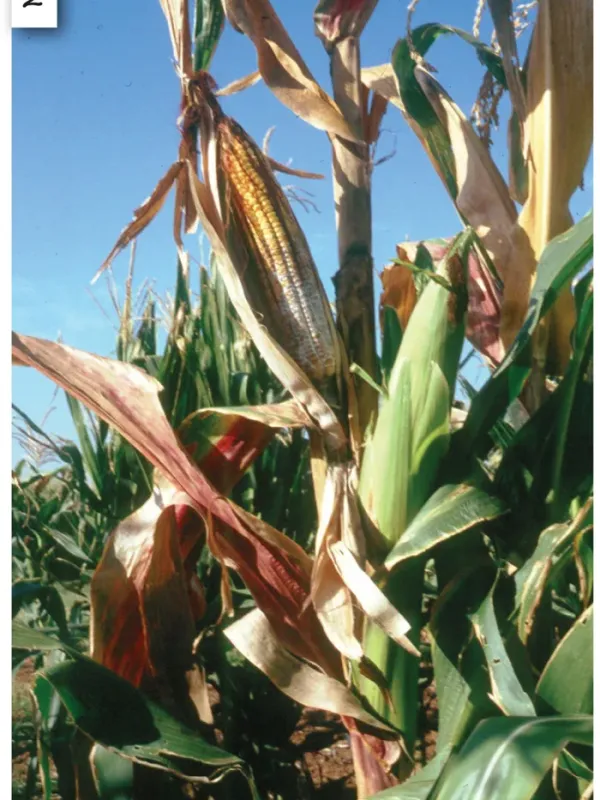
A hallmark sign of Stenocarpella zeae infection on cobs is a dense, white mycelial growth that appears at the base of the ear and gradually covers the entire surface between the husks and kernels.
Small, black, raised spots known as pycnidia will appear on the infected stalks and husks. These are the fruiting bodies of the fungus and are a definitive indicator for visual diagnosis.
Infected stalks show internal browning, especially in the nodes. The pith tissue becomes disintegrated, and the interior of the stalk often looks rotted, leaving only the vascular bundles intact.
Leaves of infected plants often exhibit premature wilting, taking on a scorched or grayish-brown appearance. This is often mistaken for early maturation by untrained observers.
The husks of infected ears may become tightly attached to the cob due to the mycelium cementing them together, preventing the ears from drying down properly and encouraging further fungal growth.
Control measures
Crop rotation is the most effective management tool; planting non-host crops like soybeans or small grains for at least two years allows the fungal residue in the soil to naturally decompose.
Deep plowing or mechanical shredding of maize stover helps incorporate residues into the soil, which accelerates the breakdown process and limits the survival of the pathogen.
Utilizing resistant corn hybrids is highly recommended. Modern plant breeding has introduced varieties with significantly improved genetic tolerance to Diplodia infections.
Applying high-quality seed treatments helps protect emerging seedlings from early-season colonization, although these treatments are most effective against systemic seedling blight rather than later stalk infections.
Balanced fertilization, particularly ensuring adequate levels of potassium and phosphorus, strengthens plant cell walls and enhances the host's natural resistance to fungal entry.
Causes diseases · 1
Discussion
No discussions yet — be the first.