
Storage molds
Storage grain
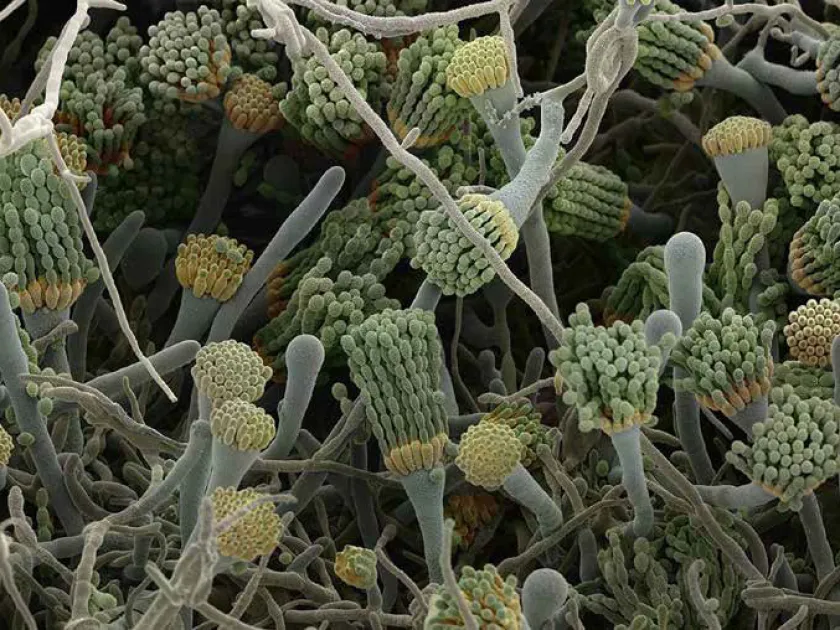
Description
How to identify
Storage molds are a group of fungi, primarily from the genera Aspergillus, Penicillium, and Mucor, that thrive in harvested grain and stored agricultural products.
These fungi are specialized to survive in environments where moisture levels in the grain are elevated, causing degradation of stored seeds and kernels.
Unlike field fungi that infect crops during the growth cycle, storage molds begin their life cycle once the grain is inside the storage facility.
They reproduce through tiny spores which are ubiquitous in the environment and can easily contaminate grain through dust or handling equipment.
Identification is confirmed through laboratory culture analysis, where specific fungal colonies are grown on agar media to observe their unique morphological characteristics.
What it damages
Storage molds damage various crops including wheat, corn, rice, and oilseeds, leading to significant post-harvest losses if not properly managed.
The fungi feed on the nutrients within the grain endosperm, which reduces the overall weight and nutritional value of the stored produce.
A critical issue is the production of mycotoxins, harmful metabolic by-products that contaminate the grain and pose health risks to both livestock and human consumers.
Affected seeds show a drastic decline in germination rates, making them unsuitable for agricultural use in the following planting season.
Severe infestations often result in the caking and heating of grain, which makes the entire batch unsalable and often requires disposal.
When it appears
Storage molds can develop year-round if environmental conditions within the warehouse are not controlled, specifically moisture and temperature.
Winter months often pose a risk when temperature differences between the grain mass and ambient air cause moisture to condense at the surface.
Spring and autumn are critical monitoring periods because changing temperatures can create micro-climates within the bins favorable for fungal activity.
High humidity combined with poor airflow can allow these molds to proliferate even when ambient temperatures are relatively low.
The metabolic activity of these fungi can generate their own moisture and heat, creating a feedback loop that accelerates their reproduction.
Signs of infestation
Visual symptoms often start as small, powdery patches on the grain surface, ranging in color from white, blue-green, to yellowish or black.
- A noticeable musty or sour odor originating from the storage area.
- Discoloration of the grain coat and a loss of natural luster.
- Clumping or sticking together of seeds due to the presence of fungal mycelium.
- Localized 'hot spots' within the grain pile detected by temperature monitoring systems.
- Physical degradation of the germ, which becomes soft or discolored upon cutting.
Control measures
The most important control measure is drying grain to a moisture content of 14% or less, which is generally considered safe for storage.
Aeration systems must be used to maintain uniform temperature throughout the grain mass and prevent moisture accumulation.
Cleaning grain to remove broken kernels and dust is crucial, as these smaller particles are more susceptible to initial fungal colonization.
Regular monitoring of grain moisture, temperature, and condition through consistent sampling is necessary for early detection of spoilage.
Routine sanitation of storage facilities and silos using approved disinfectants is essential to remove spores from the previous season.
Causes diseases · 1
Discussion
No discussions yet — be the first.