
Exobasidium burtii
Exobasidium burtii
Exobasidium burtii is a specialized fungal phytopathogen belonging to the kingdom Fungi, phylum Basidiomycota. As a member of the order Exobasidiales, it operates as an obligate parasite that specifically infects plants within the Ericaceae family.
What the section contains
Exobasidium burtii
This pathogen relies entirely on its host plant to complete its biological cycle. The mycelium of the fungus develops internally within the plant tissues, extracting nutrients and causing structural changes that are characteristic of this specific parasitic interaction.
Visually, the fungus remains largely hidden until the reproductive phase, when it produces a visible hymenophore on the surface of infected plant parts. This structure consists of basidia that release spores, which are essential for the dispersal of the fungus to new hosts.
Microscopic identification is crucial for confirming the presence of Exobasidium burtii. Pathologists analyze leaf tissue sections to identify the specific hyphal structures and the morphology of the basidiospores, which distinguish this species from other related pathogens.
The biology of the species is deeply linked to the seasonal rhythm of the host. The fungus demonstrates the ability to overwinter as mycelium within the shoots, ensuring its survival and readiness to resume activity when the growing season begins.
The primary host for this pathogen is the lingonberry (Vaccinium vitis-idaea). The fungus targets vegetative organs, causing significant metabolic disruption and impacting the overall physiological state of the shrub.
The damage caused by the pathogen includes severe chlorosis, tissue deformation, and overall plant exhaustion. Infected plants suffer from reduced photosynthetic efficiency, which directly leads to lower berry production and diminished vigor.
Pathological changes often manifest as stunted growth or abnormal proliferation of leaf tissue. This disruption not only affects the aesthetic quality of the plant but also increases its vulnerability to environmental stressors such as drought and winter injury.
When left uncontrolled, the fungus can spread rapidly across a plantation. Widespread infection results in the decline of the shrub population, posing a significant challenge to both commercial berry production and wild harvest management.
The economic impact of this disease is measured by reduced harvest yields and the added costs required for fungicide applications to manage the outbreak and protect the vitality of the crop.
The development of the disease is most intense during the spring and summer months. High humidity and the presence of surface moisture are the primary environmental drivers that facilitate the germination of basidiospores on the host leaves.
Initial infection symptoms appear when the plant begins its active growth phase. During this period, the pathogen begins to sporulate, creating a visible presence that marks the beginning of a potential epidemic within the shrub population.
Spores are dispersed by wind, rain splashes, and insects. Prolonged wet weather during the growing season creates an ideal microclimate for the fungus, as spores require liquid water on the leaf surface to successfully infect the plant.
As autumn approaches, the development of the fungus slows significantly in response to lower temperatures and shorter daylight hours. The pathogen transitions into a dormant state, overwintering safely inside the plant tissue until the return of spring.
Understanding these seasonal dynamics allows growers to implement protective measures at the right time. Fungicide applications are most effective when timed prior to the peak sporulation period, effectively breaking the disease cycle.
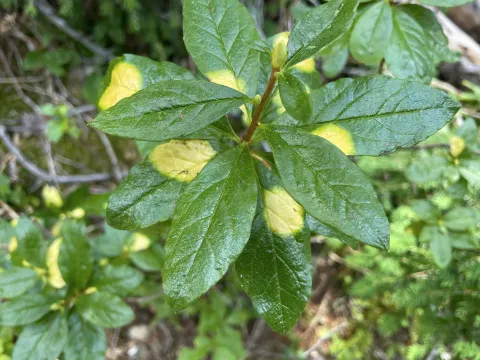
The most prominent sign of infection is the appearance of discolored and distorted patches on the leaves. These areas often turn from green to yellow, red, or brown, and can develop a characteristic fuzzy or powdery texture.
Key symptoms of an Exobasidium infection include:
- Development of raised, gall-like swellings on leaf surfaces;
- A whitish, velvety coating of spores on the underside of leaves;
- Significant leaf curling and thickening of tissues;
- Abnormal growth or shortening of the affected shoots;
- Premature leaf drop leading to defoliation of infected parts.
During routine inspections, growers should look for these distinct morphological changes on young, actively growing shoots. These visual indicators are highly reliable for identifying the active presence of the fungus.
Exobasidium burtii infections are distinct from insect damage due to the presence of the fungal growth (mycelium and spores) and the specific nature of the tissue hypertrophy. Microscopic confirmation is often used to finalize the diagnosis.
The pathogen preferentially attacks the youngest tissues, making the symptoms most visible during the early stages of plant development when the host is most susceptible to new infections.
Effective management of this disease relies on a combination of cultural and chemical strategies. The most critical cultural practice is the immediate removal and destruction of symptomatic shoots to reduce the source of inoculum in the field.
Maintaining proper plantation hygiene and preventing excessive plant density is vital for controlling humidity levels. Improved air circulation around the plants helps foliage dry faster after rain, making it harder for spores to germinate.
Chemical control involves the application of fungicides. Copper-based compounds and systemic fungicides are commonly used to manage fungal infections and are highly effective if applied according to the development stages of the pathogen.
A well-planned spray schedule, typically initiated before the flowering stage, is essential for protecting the crop. Consistent monitoring and preventive applications help keep infection levels low, ensuring stable yields.
An integrated approach, which combines vigilant monitoring, rigorous sanitation, and targeted fungicide applications, is the best strategy for minimizing the damage caused by Exobasidium burtii in lingonberry plantations.