
Exobasidium
Exobasidium
Exobasidium is a genus of fungi belonging to the order Exobasidiales, class Exobasidiomycetes. These fungi are obligate parasites primarily affecting plants within the Ericaceae family.
What the section contains
Exobasidium
Unlike many other fungi, Exobasidium does not produce complex fruiting bodies. Instead, it forms a thin, often powdery or velvety hymenial layer directly on the surface of infected plant tissues.
The mycelium is endophytic, growing within the intercellular spaces of the host plant. This growth disrupts normal plant development, leading to hyperplastic or hypertrophic reactions.
As an obligate parasite, Exobasidium cannot complete its life cycle outside of living host tissue, making it highly adapted to its specific plant hosts.
Accurate identification is based on the specific symptoms produced on the host plant and the presence of basidia that characterize this group of Basidiomycetes.
The primary hosts for Exobasidium include popular ornamental plants like rhododendrons and azaleas, as well as berry crops such as blueberries, cranberries, and huckleberries.
The pathogen causes significant damage by inducing leaf galls, shoot distortions, and fruit malformations, which often render the plants unsightly and unproductive.
In commercial nurseries, the infection can spread rapidly, causing significant economic losses due to the unsaleable condition of infected ornamental stock.
In berry production, the infection of flowers and young fruit leads to hard, discolored berries that are unmarketable and significantly reduce the total harvest volume.
Chronic infections can severely weaken the vigor of perennial shrubs, leading to stunted growth, reduced foliage, and, in severe cases, the death of individual branches or entire plants.
Exobasidium infections typically emerge in the spring, coinciding with the period of new shoot growth and leaf expansion, especially under humid conditions.
Spores are disseminated by wind, rain splashes, and insects, settling on new growth where they initiate new infections if conditions remain favorable.
Prolonged wetness on leaf surfaces is the most critical factor for successful spore germination and infection, often occurring during rainy spring periods.
While the most visible symptoms appear during the spring and early summer, the fungus persists within the dormant plant tissues until the following season.
Poor air circulation within dense plantings significantly increases the risk of the pathogen establishing itself and spreading throughout the garden or field.
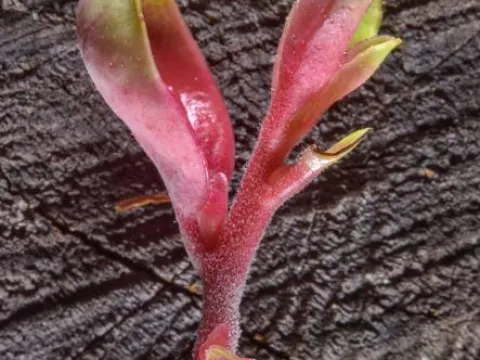
Symptoms often start as pale, thickened spots on leaves, which gradually enlarge into distinct, raised galls that may turn red, pink, or white depending on the species.
A hallmark sign of the infection is the development of a white or grayish powdery layer on the undersides of leaves or on the surface of distorted fruits, indicating active sporulation.
Infected fruits become deformed, hardened, and often change color prematurely, losing their typical appearance and quality.
Severe infestations lead to the twisting, curling, and premature shedding of foliage, which diminishes the plant's ability to photosynthesize effectively.
- Hypertrophic leaf galls.
- White powdery fungal growth.
- Distorted and thickened shoots.
- Premature leaf drop.
- Discoloration of fruits and leaves.
The most effective cultural control is the immediate manual removal and destruction of all infected plant parts before the fungus releases spores.
Improving cultural practices such as thinning out dense foliage and ensuring proper spacing can significantly reduce humidity and hinder pathogen spread.
Preventive spraying with copper-based fungicides in early spring, just before bud break, is a standard and effective strategy for managing Exobasidium.
In cases of severe infection, systemic fungicides approved for Basidiomycete control can be applied, following strict adherence to labels and safety guidelines.
Promoting overall plant health through balanced fertilization and proper watering practices helps the plants maintain vigor and resistance against fungal stressors.