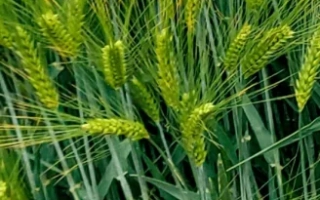
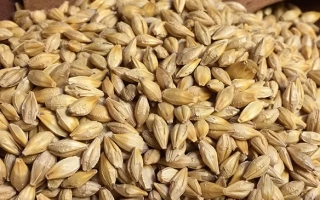
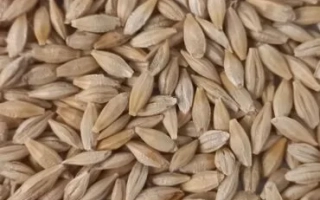
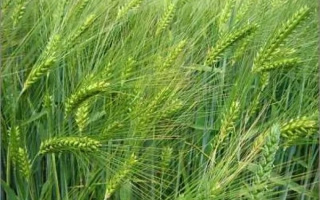
Aborigen — a medium-maturing, six-row winter barley variety intended for cultivation in the steppe zones of Ukraine. This variety is distinguished by good bushiness at late autumn and early spring germination, ensuring stable plant development even under adverse weather conditions. Plant height reaches 90–95 cm, with medium-length (7–8 cm) ears, six-row, light-yellow in color, with long, serrated, and elastic awns. The grain is large, yellow, elongated, with a 1000-grain weight of 42.9–45.9 g. The Aborigen variety is characterized by high yield — from 65 to 92 c/ha — as well as resistance to lodging (8–9 points) and drought (7–8 points), making it particularly valuable for cultivation in steppe zones with limited moisture. The variety’s cold and frost resistance is above average (6–7 points). Additionally, it exhibits high resistance to black and stone smut (7–8 points), reducing the risk of yield losses due to disease. During epiphytotic years, it may be affected by stripe rust (3–4 points), so fungicide protection is recommended. The sowing rate for the Aborigen variety is 180–250 kg/ha, depending on sowing dates and weather conditions. Plants have a semi-erect growth habit, dark green, non-hairy leaves with a slight waxy coating during tillering. The awn sheath is long, narrow, and hairless, with a long-haired main awn. Due to its economically valuable traits and adaptability to dry conditions, the Aborigen variety is widely used for obtaining high-quality grain in regions with limited moisture.