


SKU #37842
·
52 views
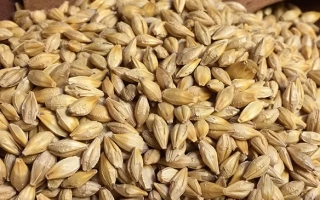
Barley Belissa
Barley
Saaten-UnionUser rating
0 votes0% positive reviews
No ratings yet — be the first.
Plant Type
Winter Barley, Spring barley
Vegetation Period (Maturity)
80-90 days
Seed; mass 1.000seeds
44-46 grams, 46-48 grams, 48-50 grams
Registration year
2020
About product

German-bred barley featuring robust viral immunity and high grain weight potential.
Plant Type
Winter Barley, Spring barley
Vegetation Period (Maturity)
80-90 days
Seed; mass 1.000seeds
44-46 grams, 46-48 grams, 48-50 grams
Registration year
2020
Description
Genetic Defense: The Foundation of Belissa Yields
German breeding by Saaten-Union and Ackermann Saatzucht & KG prioritizes proactive plant immunity. With the Belissa barley variety, the breeders focused on suppressing viral pressure at the genomic level. The primary challenge in barley production is Barley Yellow Dwarf Virus (BYDV), which can severely compromise yield potential. Belissa exhibits strong genetic resistance to this pathogen, allowing growers to optimize costs by reducing reliance on intensive insecticide treatments targeting aphid vectors.
Agrobiological Parameters and Grain Physics
The versatility of this variety lies in its environmental plasticity: Belissa is adapted for both winter and spring cultivation. This flexibility mitigates risks associated with adverse winter conditions, providing farmers with reliable crop rotation options. With a vegetation period of 80-90 days, the variety is classified as mid-maturing, which is essential for regions with limited moisture accumulation windows.
- 1000-Seed Weight: Ranging from 44 to 50 grams, indicating significant grain size potential when optimal micro-fertilizer programs are applied.
- Phytosanitary Profile: Beyond viral resistance, the breeding efforts of Ackermann Saatzucht & KG ensure robust resistance to powdery mildew, minimizing fungal development under high-humidity conditions.
The practical value of this breeding approach is found in the consistency of the final commodity. Large grain size (48-50g) ensures high germination energy, leading to uniform emergence and canopy height. This uniformity is a key practical advantage that streamlines the harvesting process and minimizes field losses.
Crop & resistance
Crop
Disease resistance
Specifications
| Plant Type | |
|---|---|
| Vegetation Period (Maturity) | 80-90 days |
| Seed; mass 1.000seeds | 44-46 grams, 46-48 grams, 48-50 grams |
| Registration year | 2020 |
| Catalog | Catalog → Barley |
| Manufacturer | Saaten-Union |
| Legal data |
Show · 16
|
| Country | Germany |
Store offers
Prices are updated on loadLoading offers…
Aggregator catalog: prices are collected automatically from store websites, normalized by AI and converted at the current exchange rate. Before ordering, confirm the price and availability on the store's website. This block is not indexed by search engines — the data is loaded after the page opens.
Not yet комментариев. Be the first!
Alternatives
Barley seeds · similar varieties


See also
Often considered together with this variety




Recently viewed
Products you’ve viewed on this site
Reviews · 0