


SKU #37327
·
54 views
Yasnogirka
Wheat
User rating
0 votes0% positive reviews
No ratings yet — be the first.
Type of Development
Winter wheat
Wheat Type
Hard wheat
Ostistost'
Ostistaya
Resistance to lodging
Very good
About product

Reliable durum winter wheat variety featuring exceptional lodging resistance and strong immunity against key fungal pathogens.
Type of Development
Winter wheat
Wheat Type
Hard wheat
Ostistost'
Ostistaya
Resistance to lodging
Very good
Description
Hard Winter Wheat «Yasnohirka»: Agronomic Efficiency and Quality
In the landscape of modern grain production, durum (hard) winter wheat requires a delicate balance between high performance and disease resistance. The «Yasnohirka» variety, developed by the Institute of Plant Physiology and Genetics of the NAS of Ukraine, is engineered to provide agricultural producers with a reliable tool for achieving top-tier grain quality while minimizing risks from common pathogens.
Practical Field Management and Disease Control
The core of the «Yasnohirka» value proposition lies in its robust biological defense system. The variety is specifically bred to resist the most aggressive fungal infections that typically compromise grain grade and yield, including:
- Root rot and Fusarium head blight;
- Leaf rust and brown leaf spot;
- Powdery mildew and Septoria.
For an agronomist, this resistance profile is a strategic advantage. It allows for the optimization of fungicide application schedules, reducing the frequency of emergency treatments while maintaining crop integrity. Specifically, its resilience against root rot makes it a viable candidate for fields with higher cropping intensity or challenging crop rotation histories.
Operational Benefits in Intensive Farming
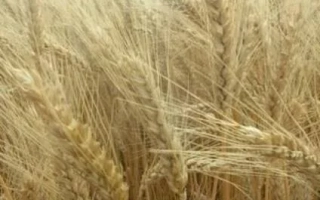
«Yasnohirka» is characterized by an awned ear structure and an excellent resistance to lodging. This is a critical attribute for modern intensive farming systems, where substantial nitrogen inputs are used to meet the high protein and gluten standards required by the pasta industry. Even under high-yield conditions or adverse weather during the grain-filling stage, the stems remain standing, ensuring seamless mechanical harvesting without yield loss.
By choosing this variety, producers invest in predictability. «Yasnohirka» does not just offer genetic potential; it provides the operational security needed to manage large-scale wheat production. It is a robust option for farms focused on delivering the high-glassiness, high-quality grain that maintains premium status in the international market.
Crop & resistance
Crop
Disease resistance
Specifications hover over for a hint about the specification
| Type of Development | |
|---|---|
|
Wheat Type
Wheat Type
Biologically hard wheat differs from soft wheat in its greater demand for soil fertility and agronomic conditions (especially regarding field cleanliness from weeds), lower drought resistance and plasticity, relatively weaker root development, especially nodal roots, and lower ti... |
|
| Ostistost' | |
| Resistance to lodging | |
| Registration year | 2009 |
| Catalog | Catalog → Wheat |
| Legal data |
Show · 1
|
| Country | Ukraine |
Store offers
Prices are updated on loadLoading offers…
Aggregator catalog: prices are collected automatically from store websites, normalized by AI and converted at the current exchange rate. Before ordering, confirm the price and availability on the store's website. This block is not indexed by search engines — the data is loaded after the page opens.
Not yet комментариев. Be the first!
Alternatives
Wheat seeds · similar varieties




See also
Often considered together with this variety




Recently viewed
Products you’ve viewed on this site
Reviews · 0